Friendships take years to build, but they can be shattered in an instant. And sometimes you might not even understand why it’s happening until it’s too late to change anything.
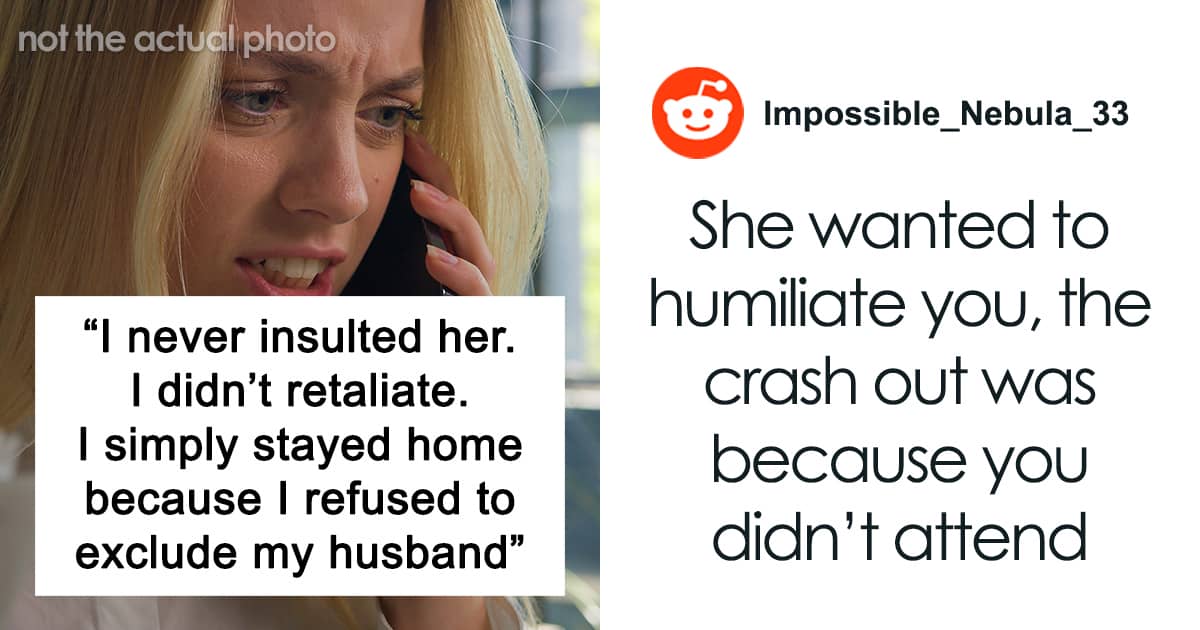
So when Reddit user Queenbee71295 realized that her long-time bestie was ending their friendship over an engagement party, she decided to ask the internet for perspective. It felt so sudden, she wasn’t able to make sense of the whole ordeal by herself.
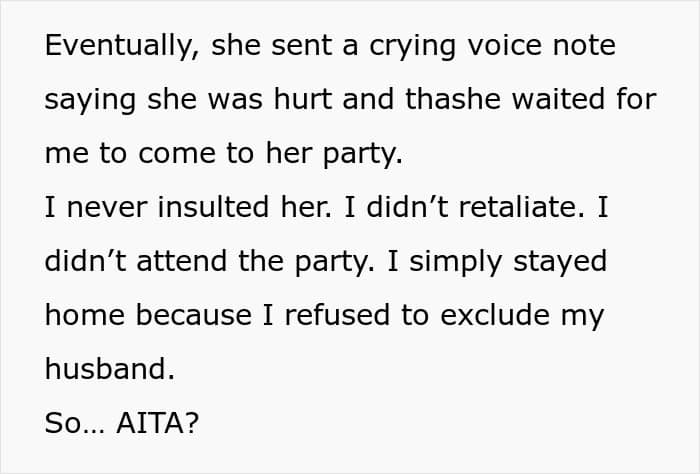
In a post on r/AITAH, she laid out the double standards her friend had enforced — from banning her baby to suddenly uninviting her husband — and asked if she was in the wrong for standing her ground.
RELATED:
The people closest to us are the ones who can hurt us the most

Image credits: Wavebreakmedia / envatoelements (not the actual photo)
When this woman’s best friend started acting weird and beginning to destroy their friendship, she couldn’t understand why
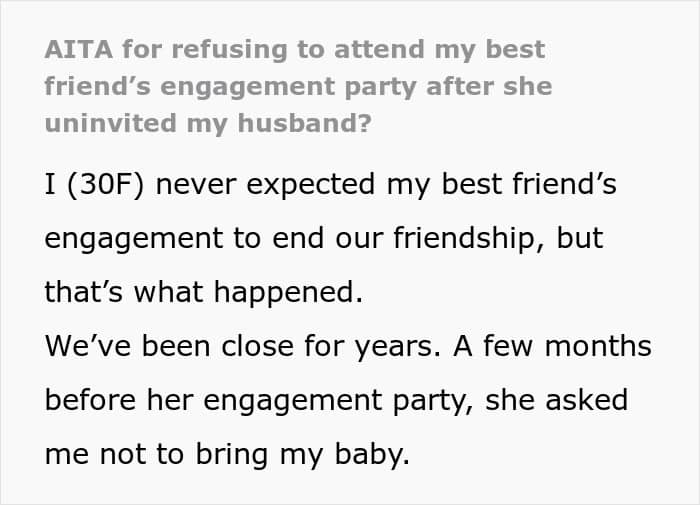
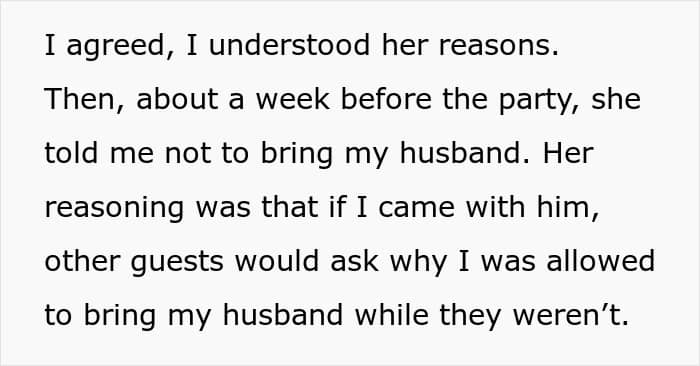
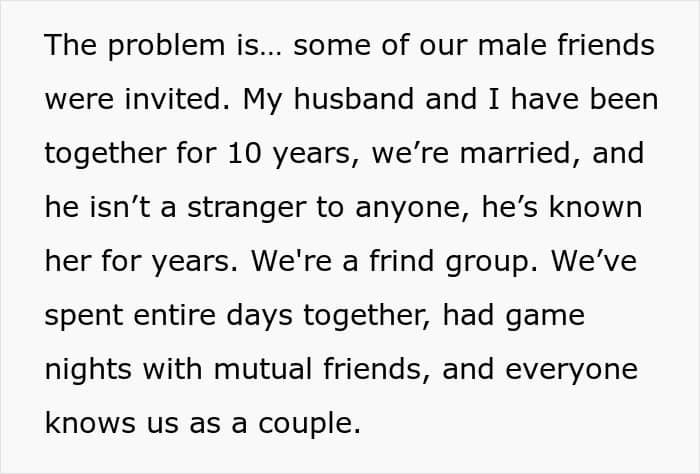
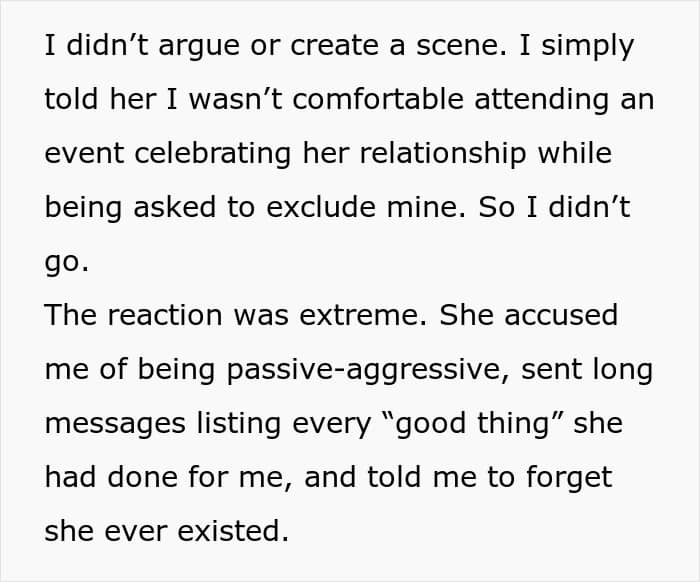
Image credits: jm_video / envatoelements (not the actual photo)
Later, the woman clarified her situation by adding a few extra details
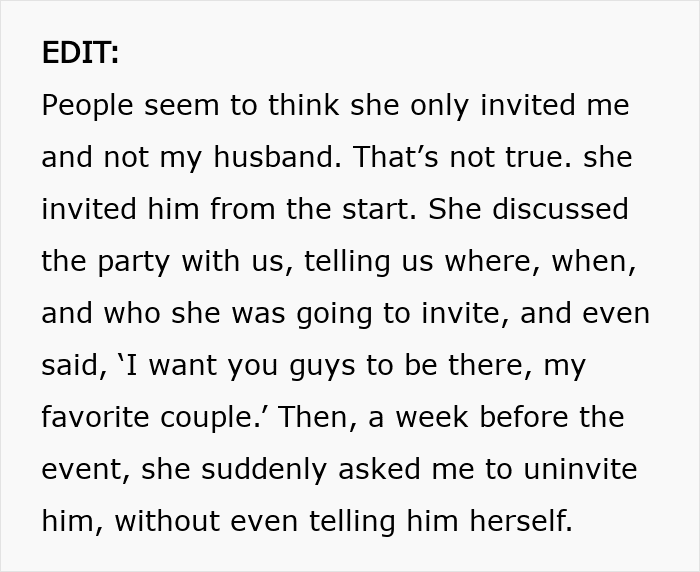
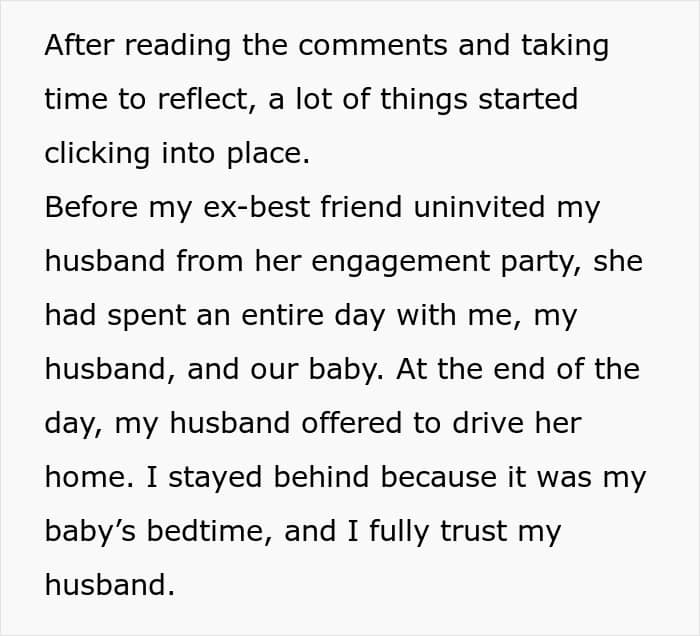
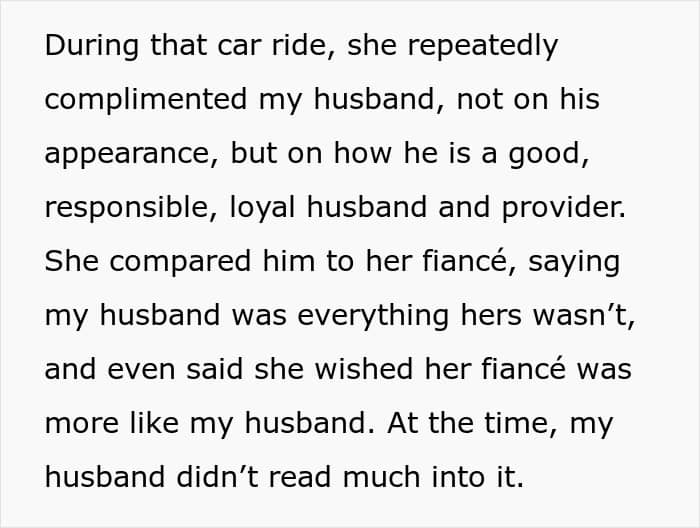

Image credits: LightFieldStudios / envatoelements (not the actual photo)
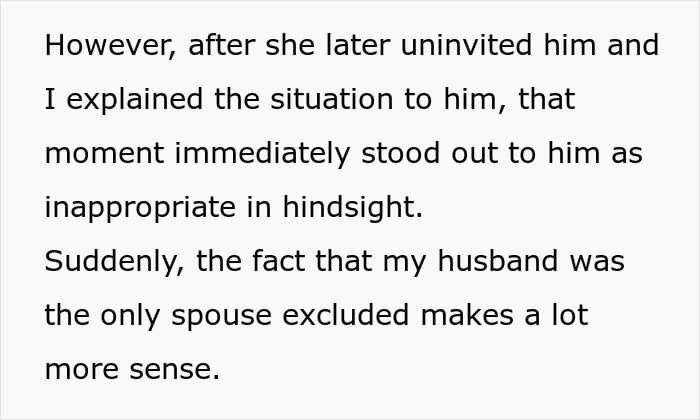
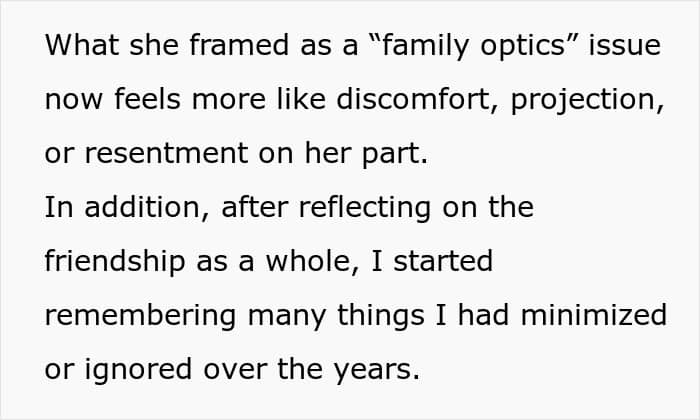
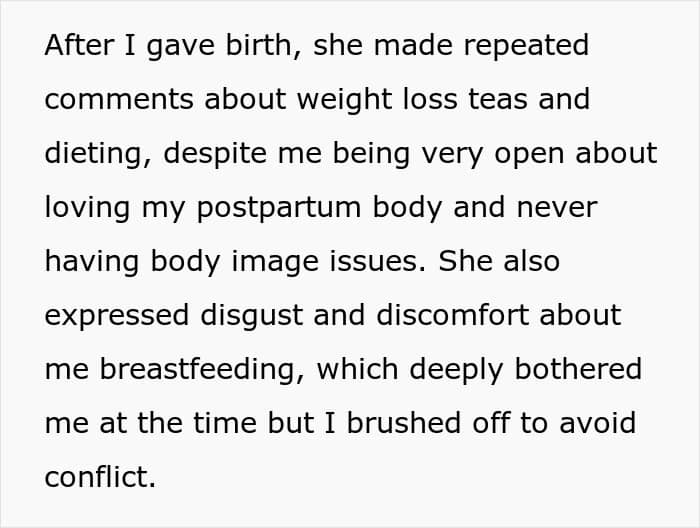
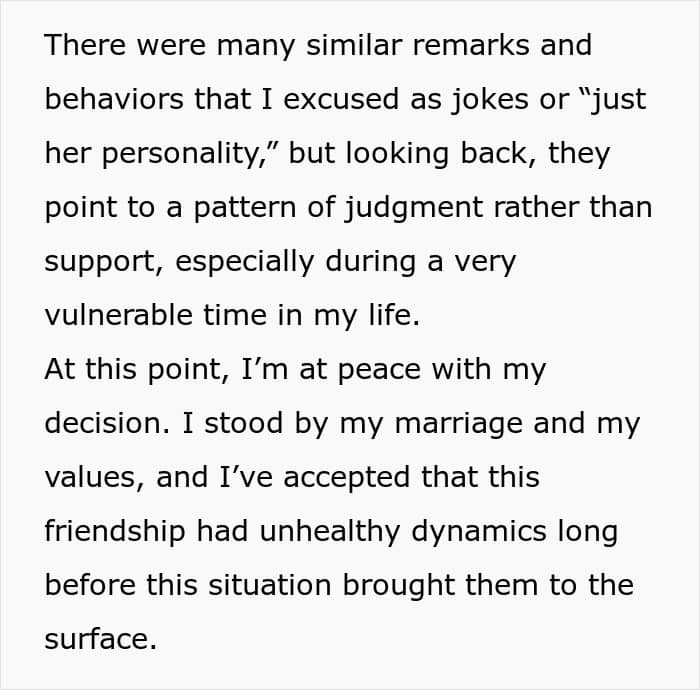
Image credits: queenbee71295
Myths of “forever friends” and self-blame schemas intensify the pain of losing friends

Image credits: LightFieldStudios / envatoelements (not the actual photo)
Loren Soeiro, Ph.D., ABPP, is a psychologist in private practice in New York City. According to him, how a friendship ends is important.
“Confrontations can cause persistent, angry rumination; by contrast, uncertain or ‘ghosted’ endings are more likely to result in slow, lingering frustration, ongoing and unresolved doubts, and grief that feels more ambiguous than defined,” Soeiro writes.
“This uncertainty adds to ‘cognitive load,’ meaning it increases the mental effort one must exert to understand it, and thus creates a form of ongoing internal distress. The more ambiguous the end of a relationship, the more likely a person will blame themselves and will have trouble simply moving on.”
And no matter how it ends, the loss of a friendship activate the same nerves and neurological circuits as physical pain, causing a long-lasting ache that feels more physical than emotional.
But losing friends is a natural part of having them

Image credits: africaimages / envatoelements (not the actual photo)
A YouGov survey found that most (68%) Americans have decided to end a friendship and followed through with it at some point in life, while 24% say they have never done that.
Generation X (73%) and Baby Boomers (69%) are more likely than Millennials (65%) or Gen Z (60%) to have broken up with a friend.
A smaller share (52%) say they’ve been on the receiving end of this and had someone end a friendship with them. About a quarter (24%) claim this has not happened to them, while an equal percentage say they’re not sure whether this has happened to them — friendship breakups aren’t always clear-cut, and some lack closure.
When it comes to the process of ending a friendship, there are two main routes one can take: a straightforward conversation or quietly pulling away. About half (52%) think it’s better to be upfront and tell the person your friendship is over. Meanwhile, roughly a third (32%) believe the correct approach is to slowly pull away. The rest are uncertain.
The woman provided more details in the comments
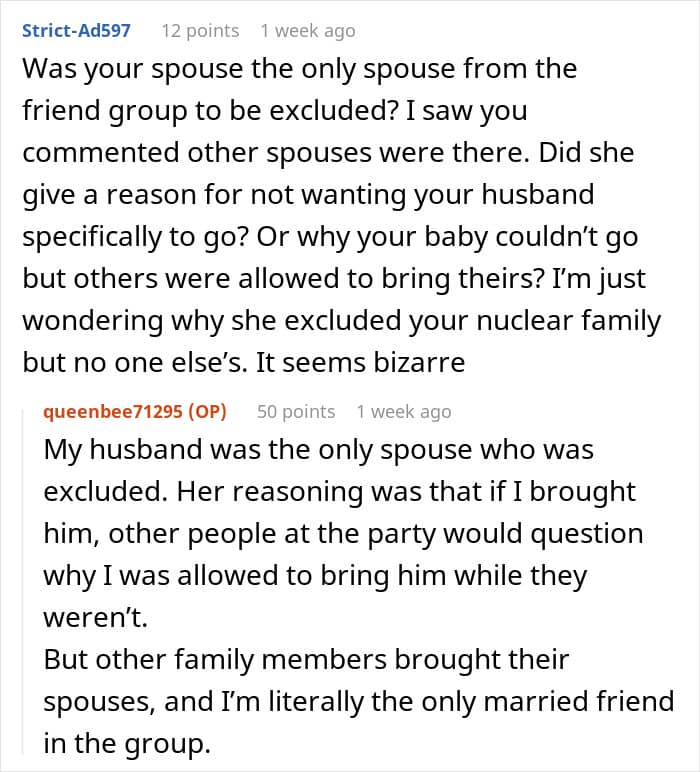
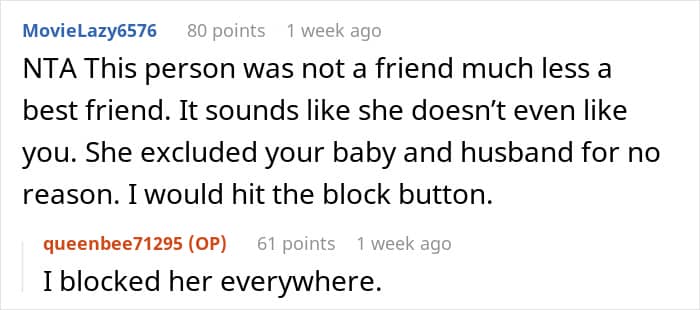
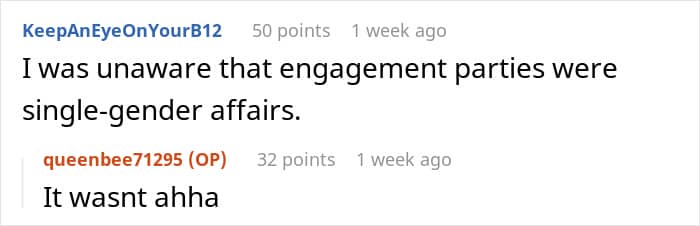
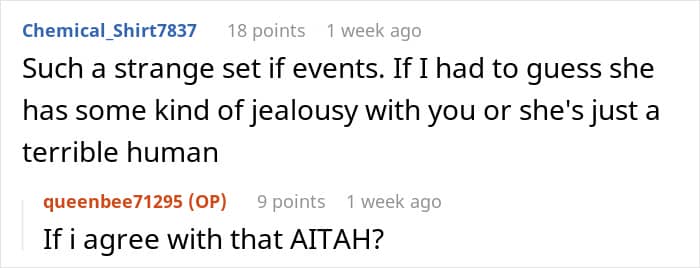
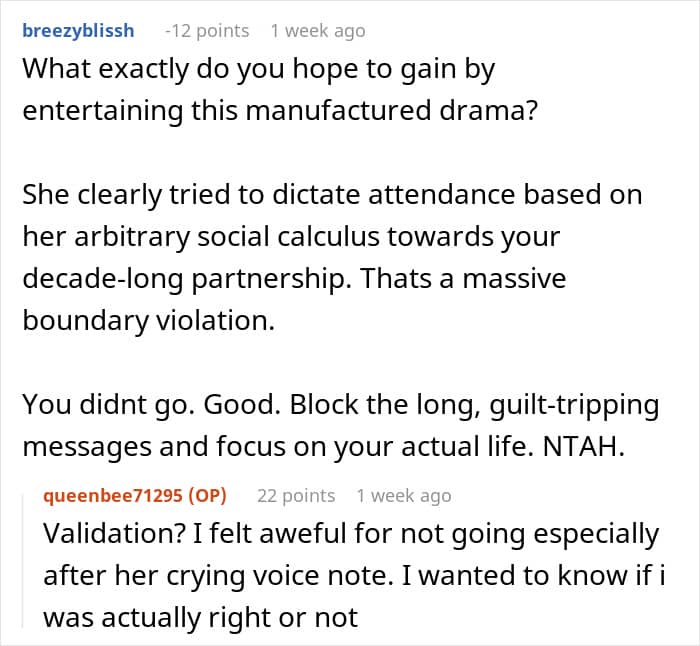
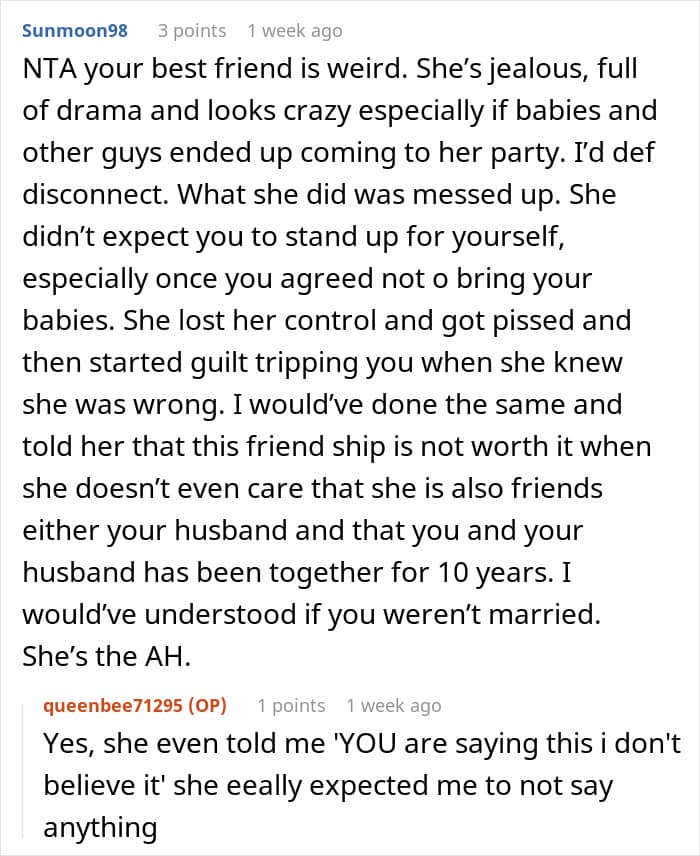
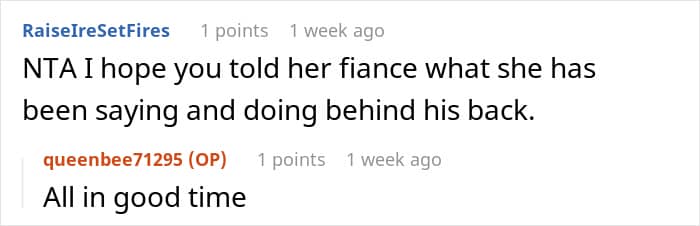
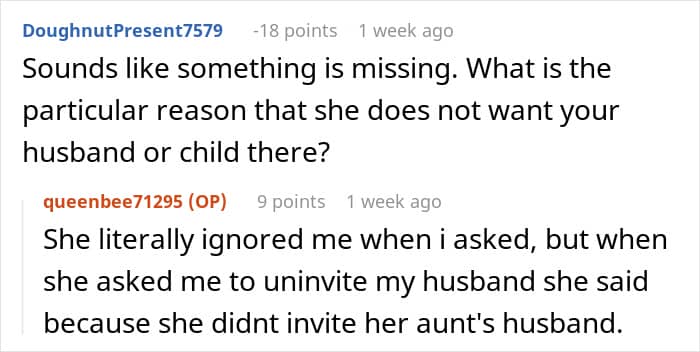
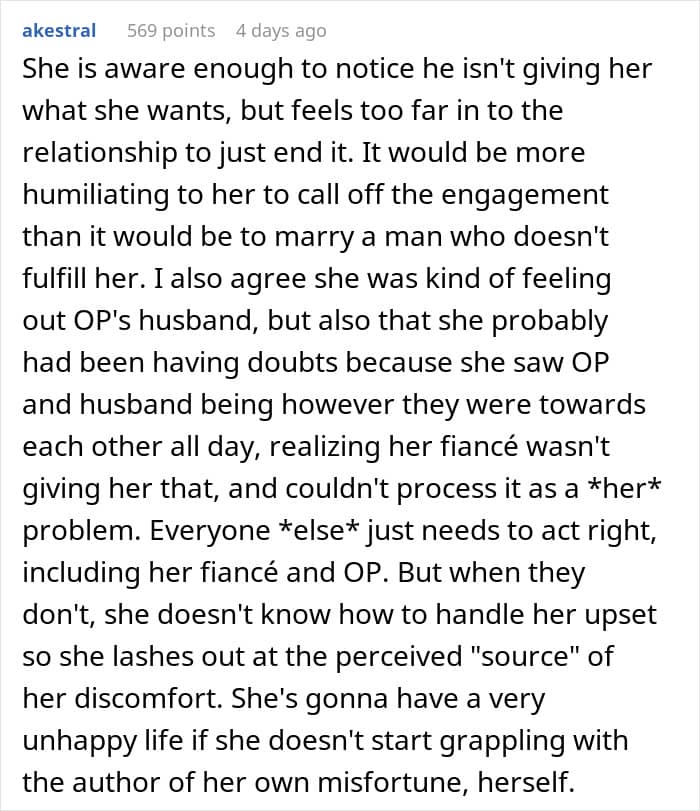
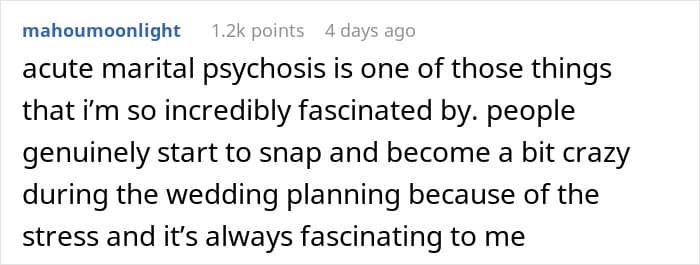
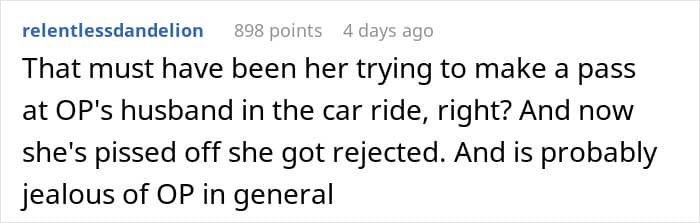
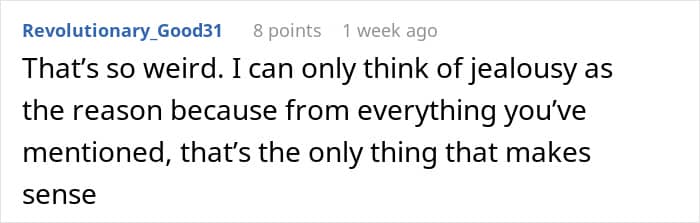
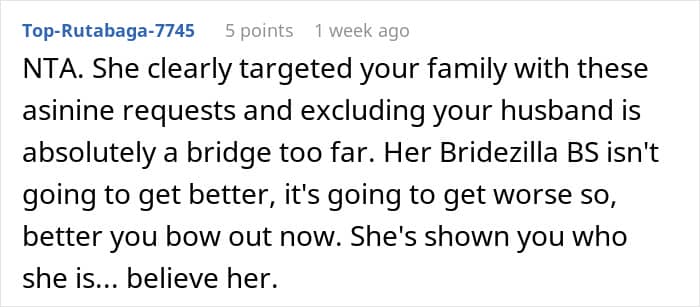
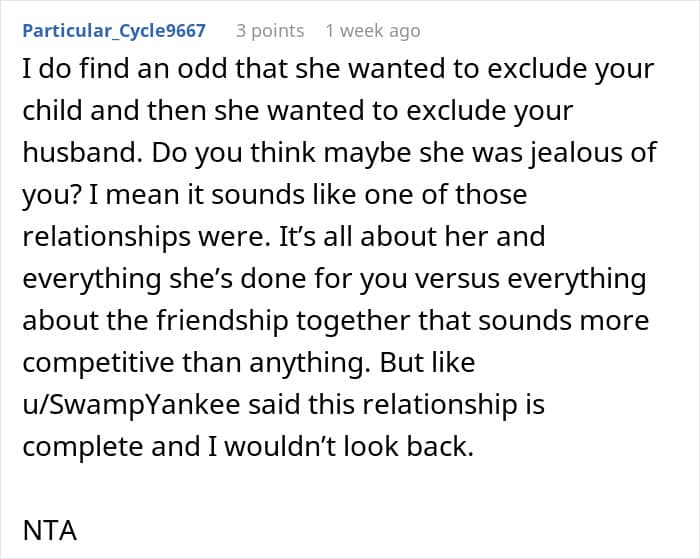
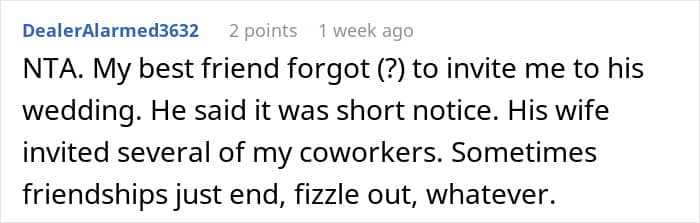
Her story has sparked a lot of reactions online


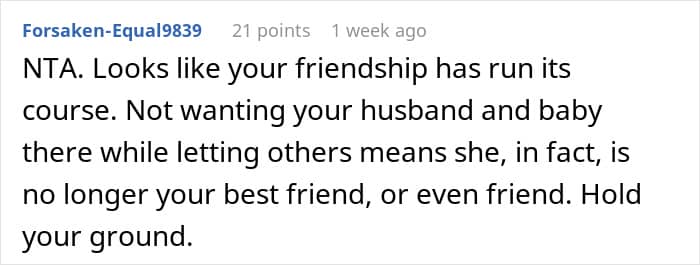
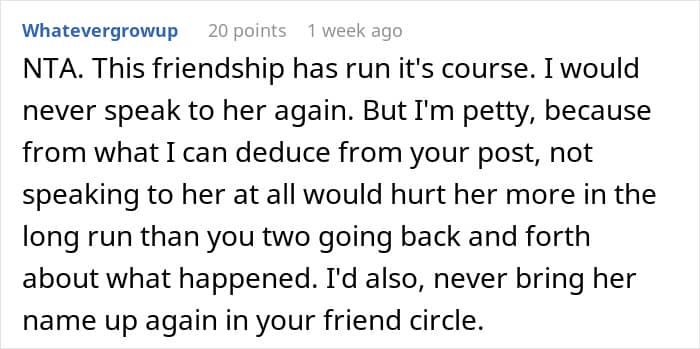

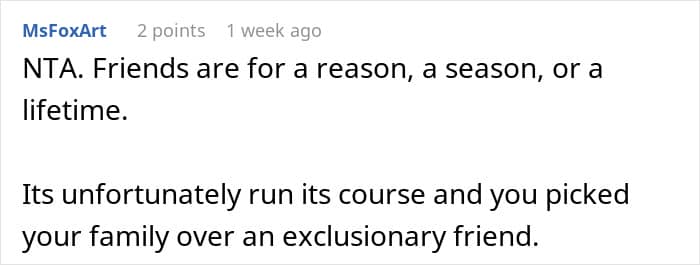
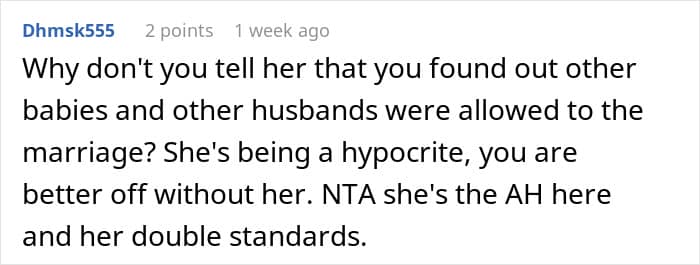
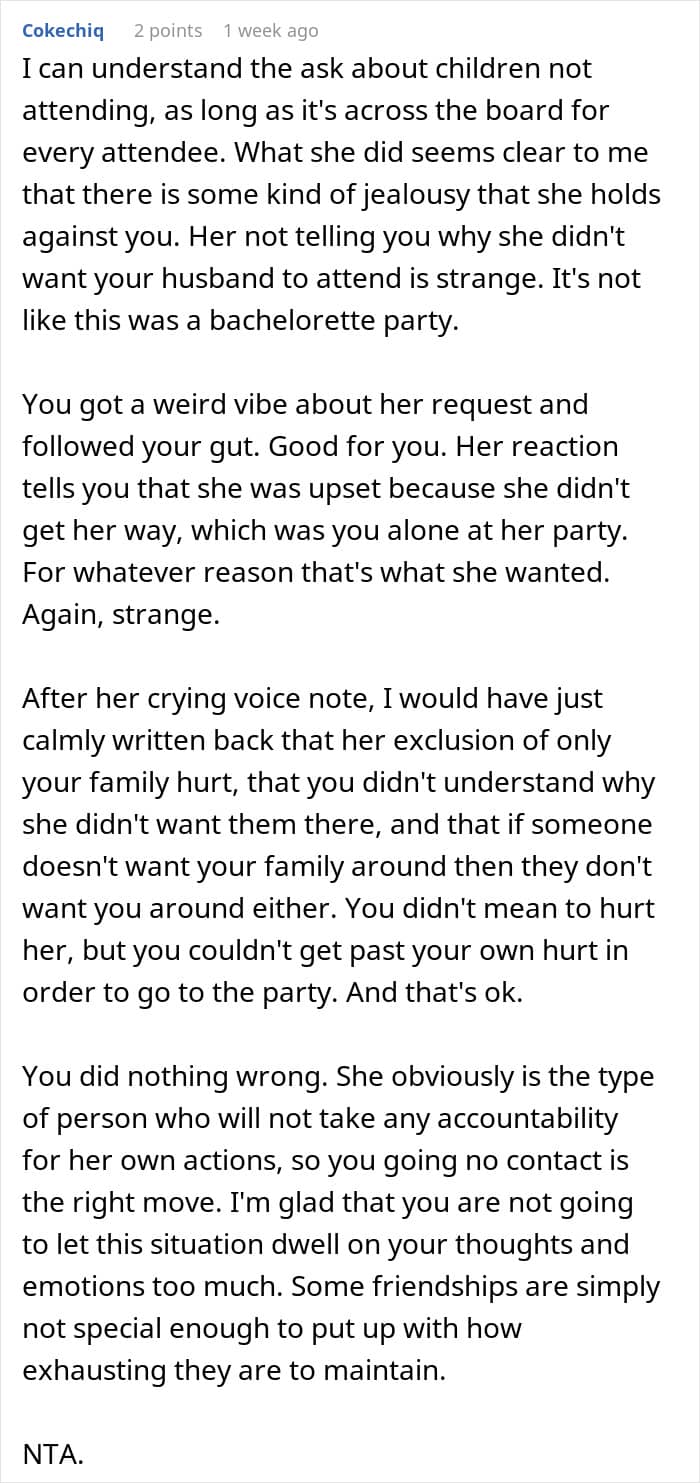
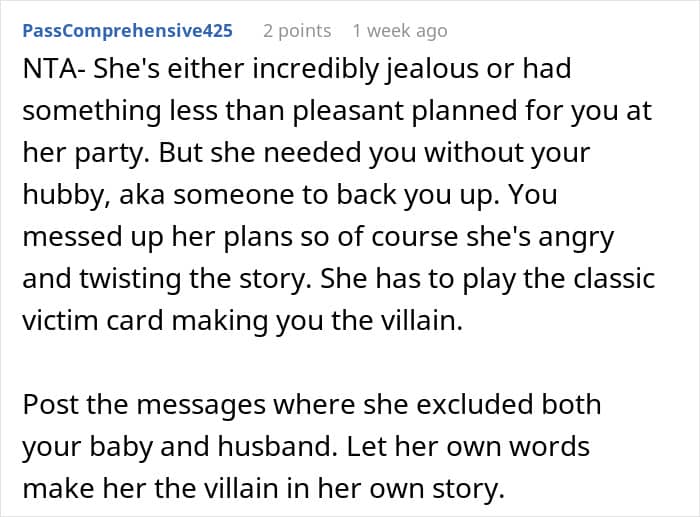
Which ultimately encouraged her to block and cut her friend from her life

Image credits: Zinkevych_D / envatoelements (not the actual photo)
Image credits: Nadtochii / envatoelements (not the actual photo)
Image credits: queenbee71295
People were sad for the bride’s groom