Supporting a loved one through hard times isn’t just about grand gestures or giving them money. Simply showing up and helping with daily tasks can make a huge difference, too.
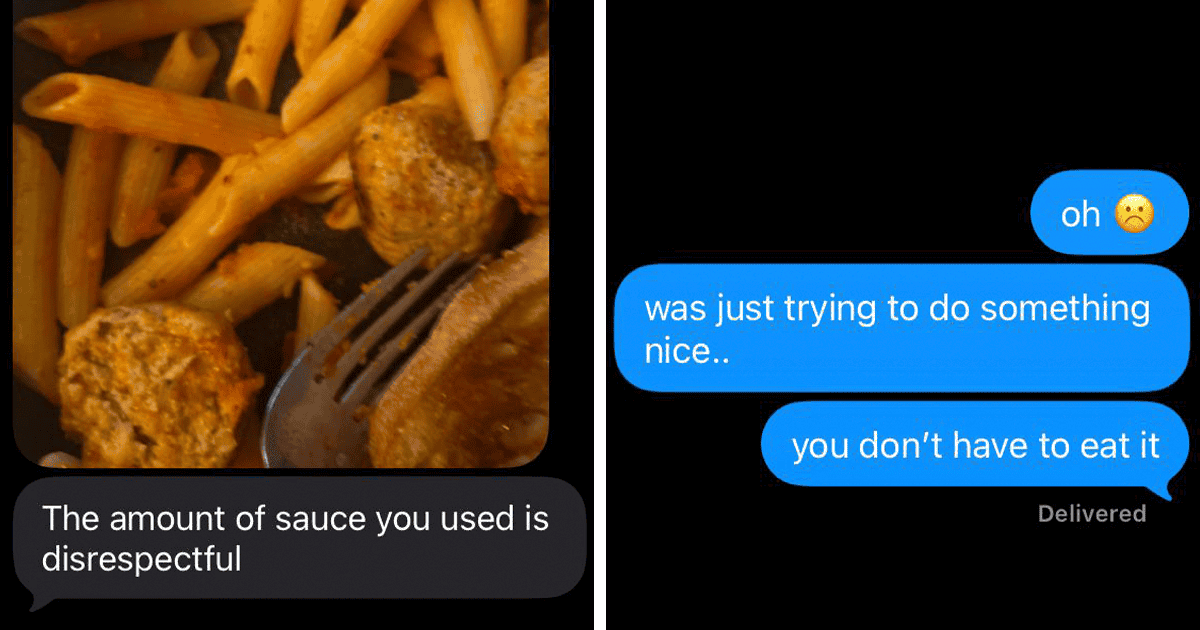
When Reddit user MyCupOfTea777 got the tragic news that her boyfriend’s mom had passed away, she was ready to be there for him in any way he needed. One of the things she did was bring over a pot of pasta and meatballs she had cooked.
But he criticized the meal, saying it made him feel even worse, making the woman question if she was doing enough.
RELATED:
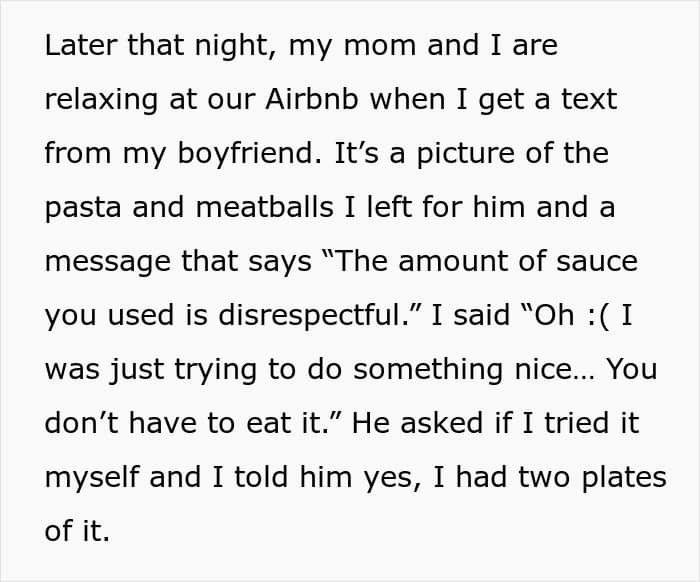
This woman took some of the food she cooked to her boyfriend, hoping it would help him feel better
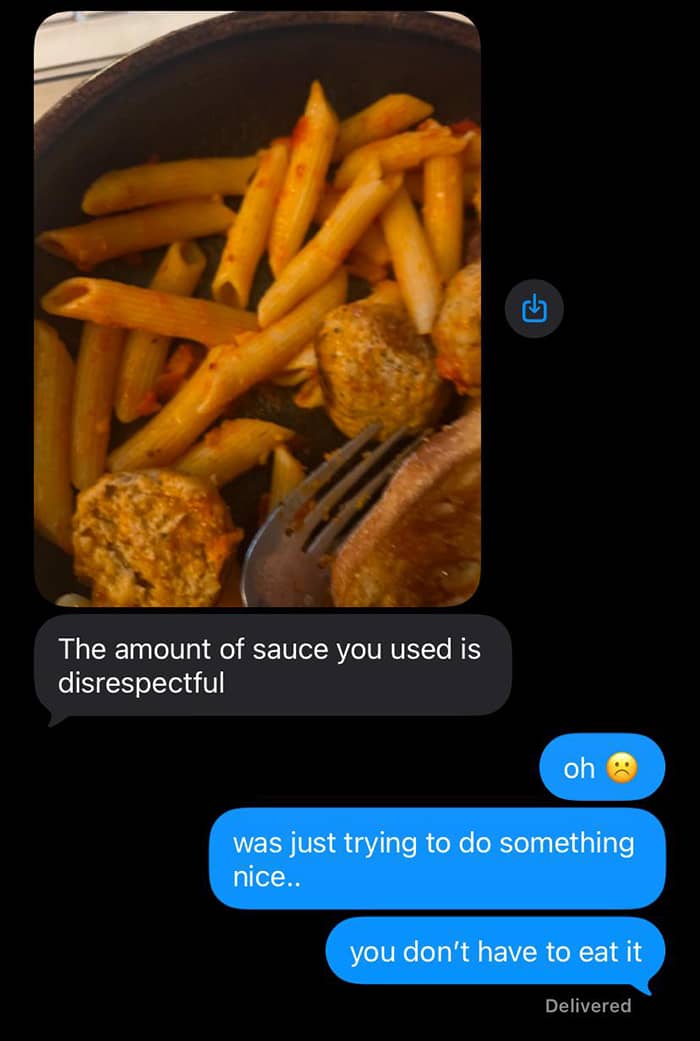
Image credits: MyCupOfTea777
But he found it “inedible” and “disrespectful”
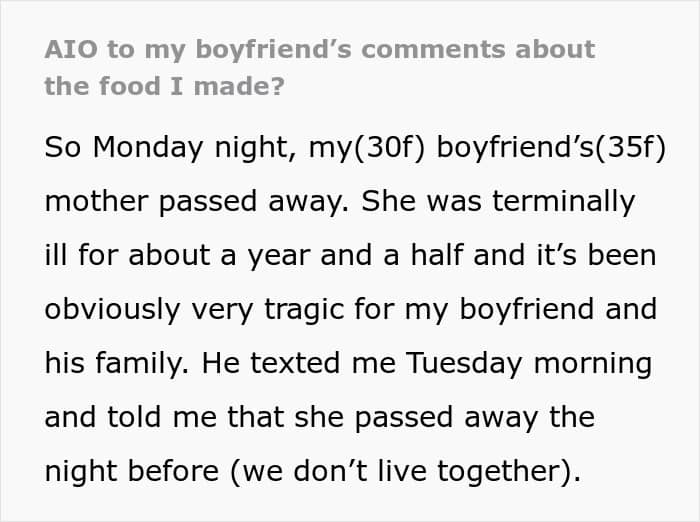
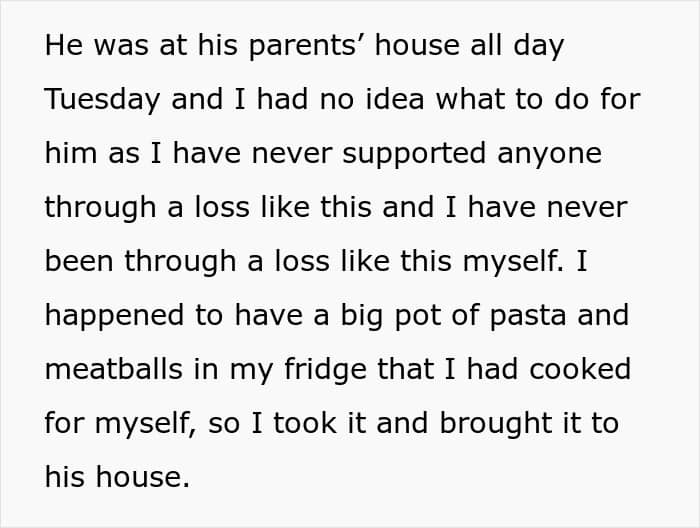
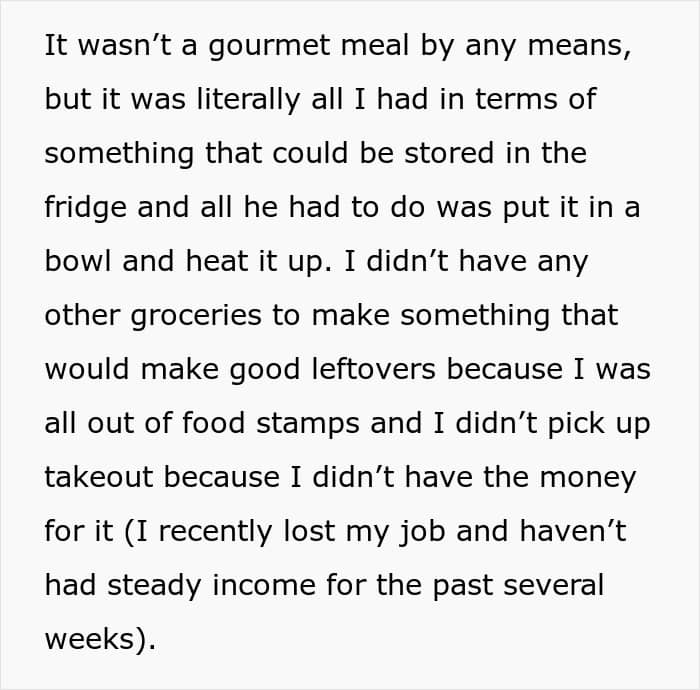
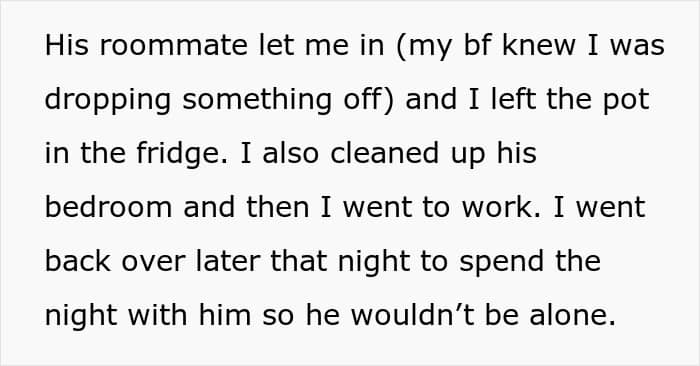
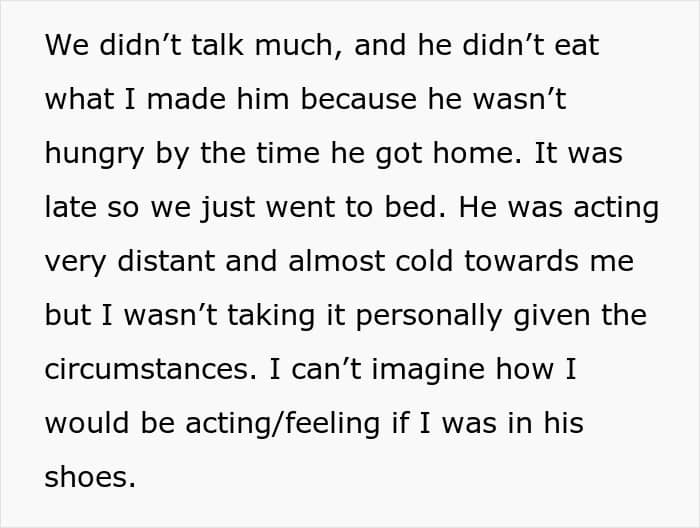


The guy said his cruel comments were meant to motivate her, but the woman felt hurt

Image credits: freepik (not the actual photo)
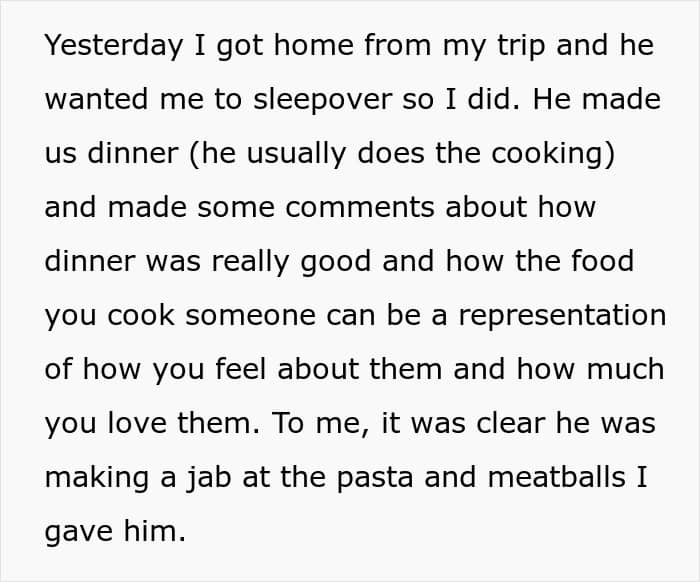
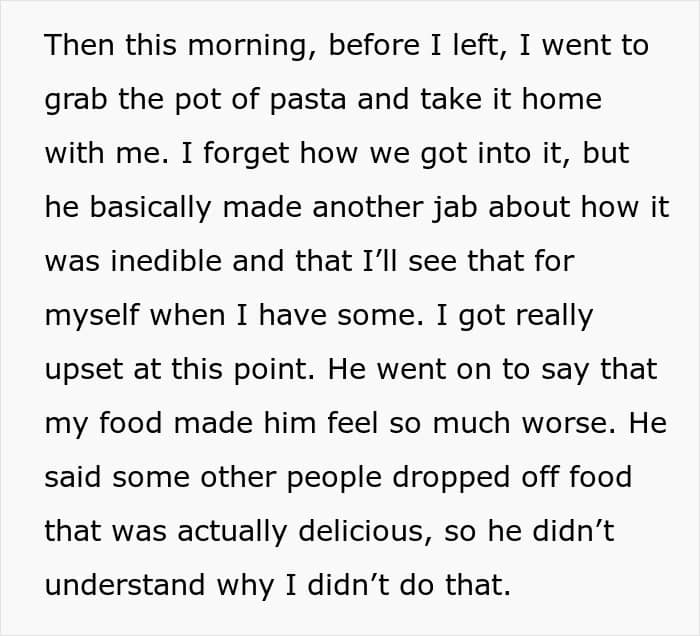
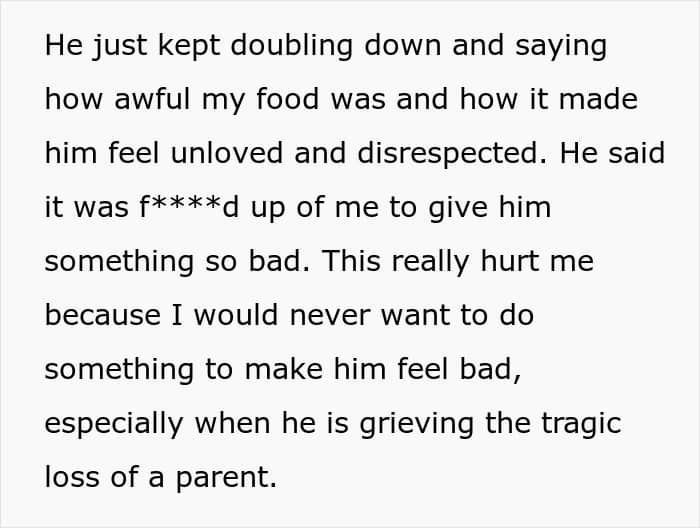
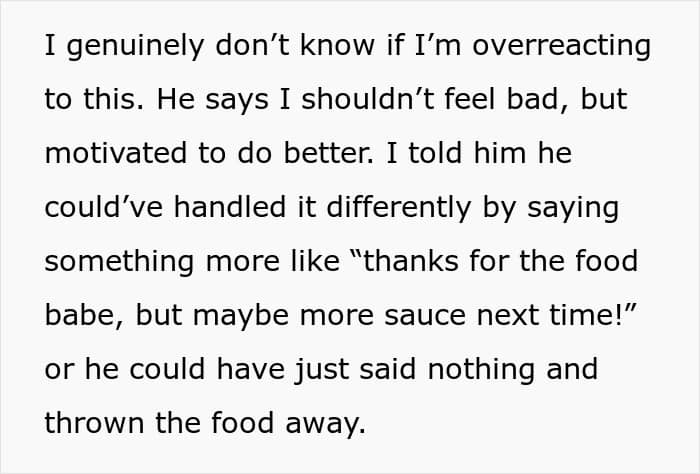
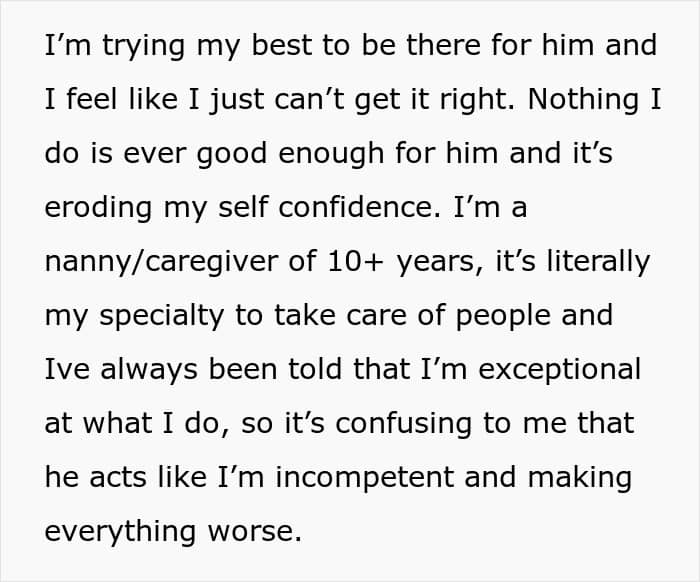
Image credits: MyCupOfTea777
Some disagreements among couples are normal, but you have to keep them civil
A YouGov poll asked Americans in serious relationships how often they argue, what they argue about, and how those arguments transpire.
There was quite a bit of variation in frequency. Roughly an equal share of respondents said they argue once a week or more (30%), once a month or multiple times a month (28%), and once or multiple times per year (32%).
However, only 3% said they never argue.
Almost a third (30%) admitted their style of arguing is very or somewhat unhealthy. The most common forms of it were:
Raising your voice: 26% said they do this always or most of the time, 49% said some of the time, and 19% said never.Giving the silent treatment: 19% said always or most of the time, 41% some of the time, and 31% never.Swearing or name-calling: 12% said always or most of the time, 27% some of the time, and 53% never.Crying: 14% said always or most of the time, 29% some of the time, and 51% never.
So it seems that our Redditor’s boyfriend belongs to the “uncivilized” minority.
How we express ourselves can matter even more than what we say

“A sour tone or attitude — a slightly raised voice, a sarcastic comment, an eye-roll mid-conversation — is by far the most common reason couples fight,” Psychologist Dr. Mark Travers said.
“To the person exhibiting it, it might not seem like a big deal. But to the partner on the receiving end, it hits a direct nerve because it signals contempt.”
Marital research suggests contempt is one of the most reliable predictors of divorce.
“Unlike overt criticism or stonewalling (shutting down emotionally), contempt disguises itself with non-verbal gestures and body language,” Travers added.
According to him, fighting fire with fire never works, and partners need to resist the impulse to strike back.
Of course, after a major loss, everyone can slip up. To give your partner the chance to course-correct without escalating the situation, Travers suggested saying something like, “That felt condescending. Can we try again?”
But if there’s a pattern, there’s likely a bigger issue behind your mean communication. “Are you feeling unheard? Frustrated? Overwhelmed? Pinpointing what’s fueling the contempt is the first step to expressing yourself without hurting the relationship,” Travers said.
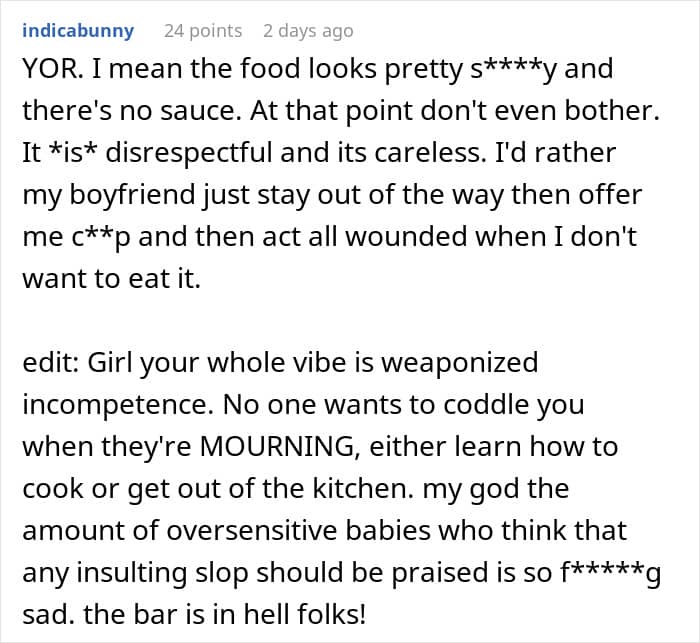
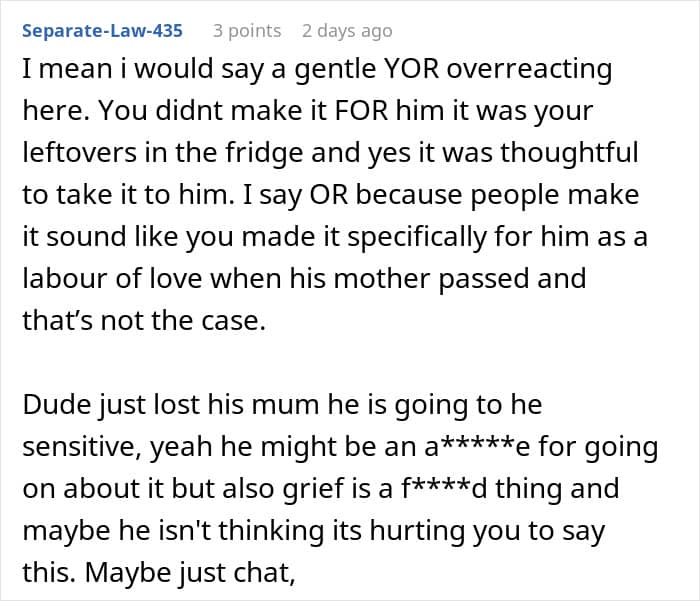
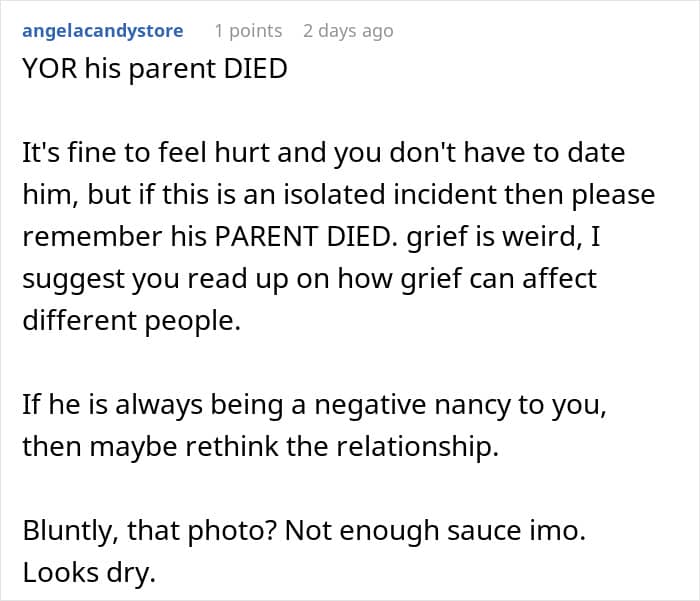
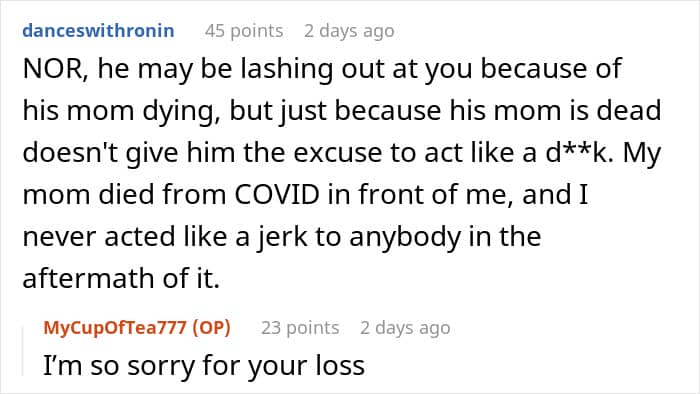
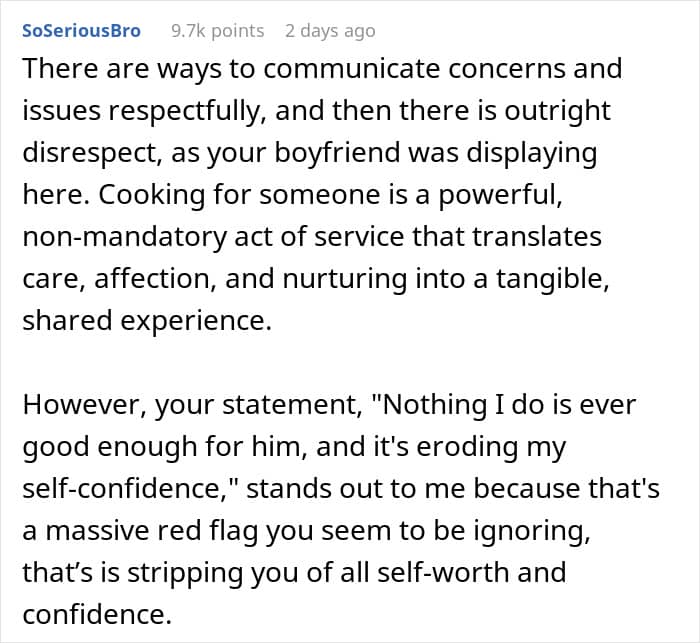
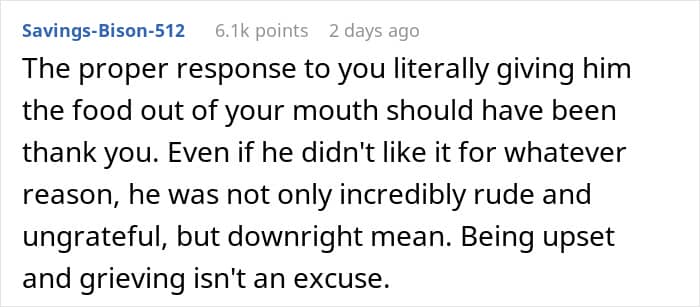
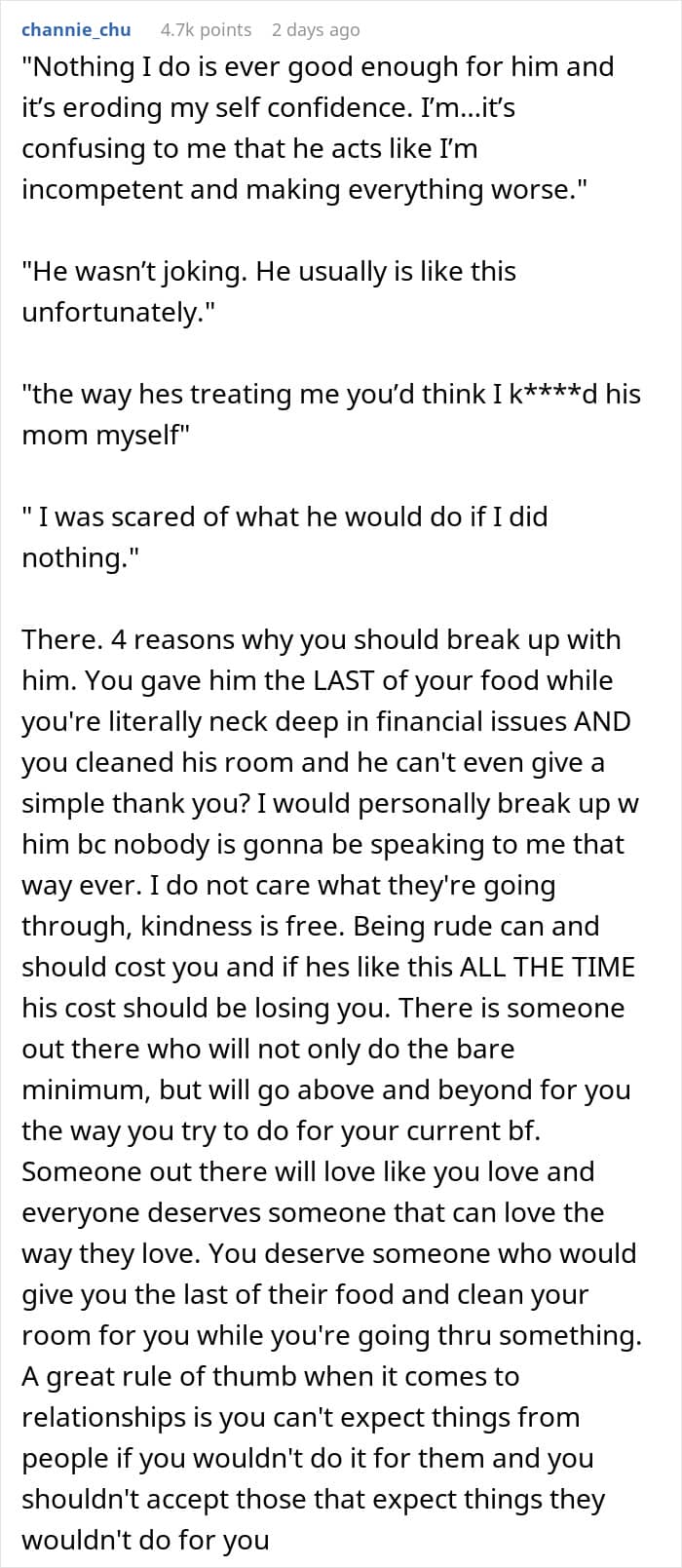
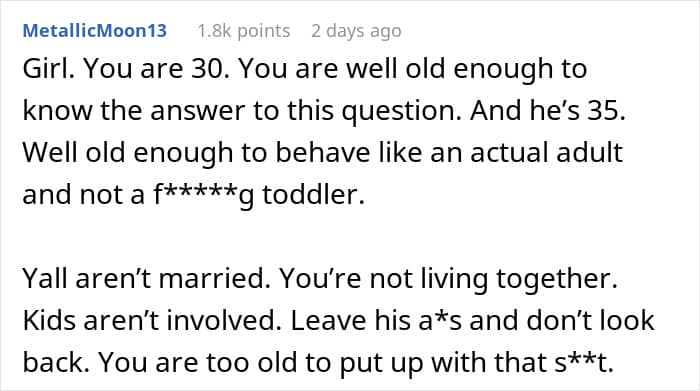
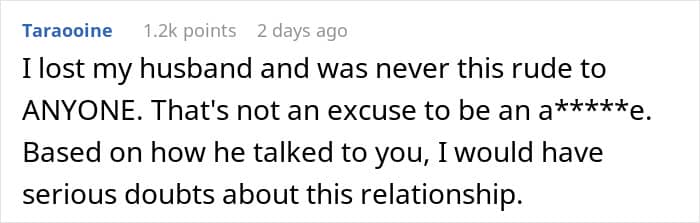
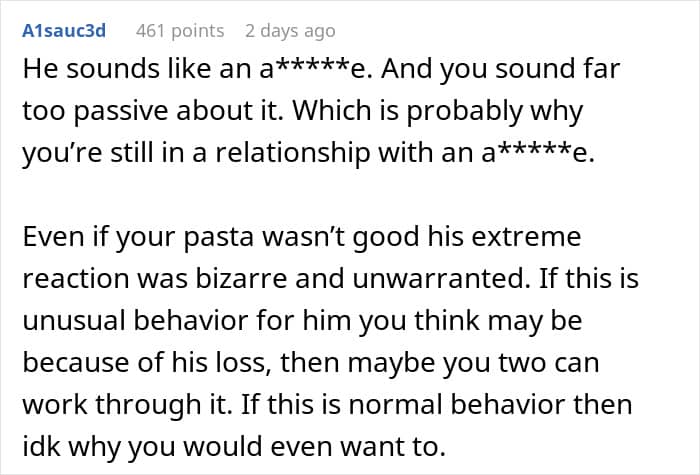
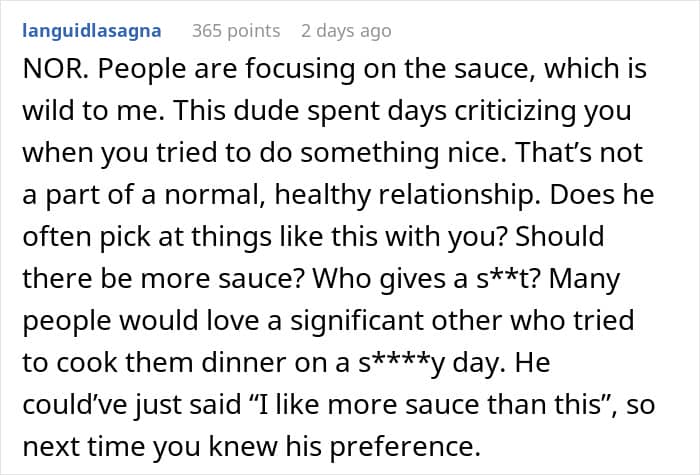
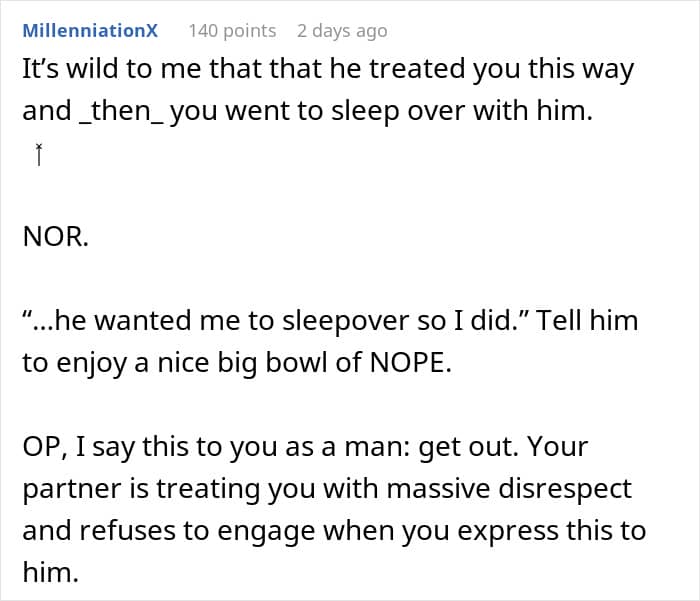
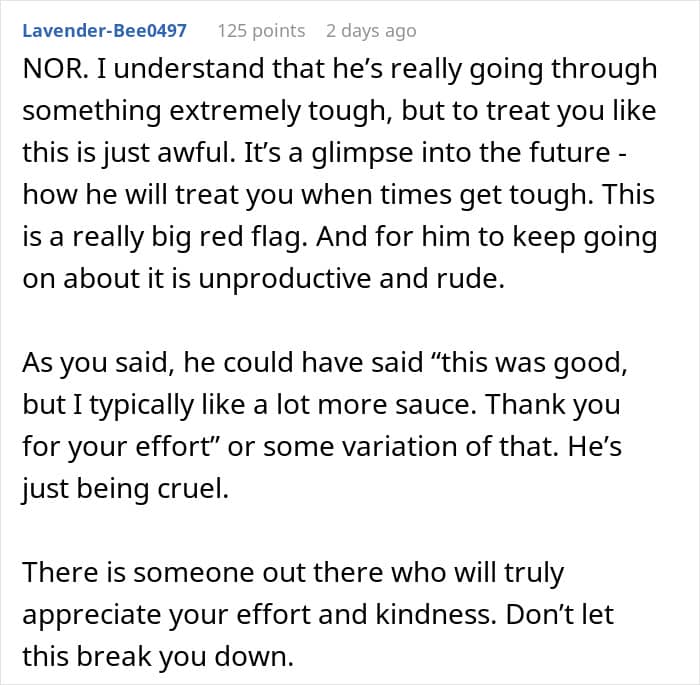
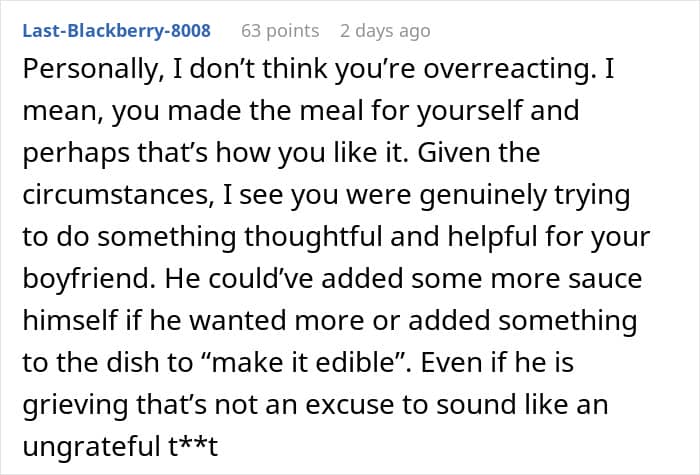
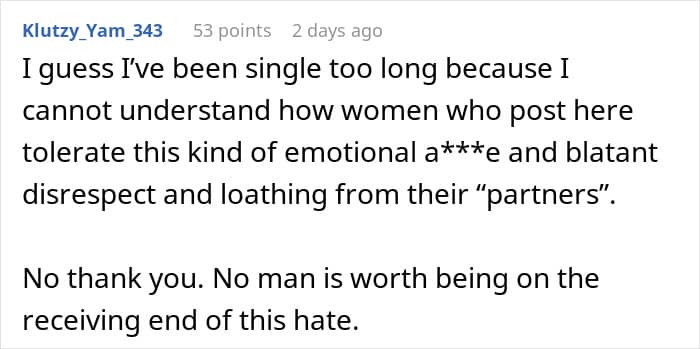
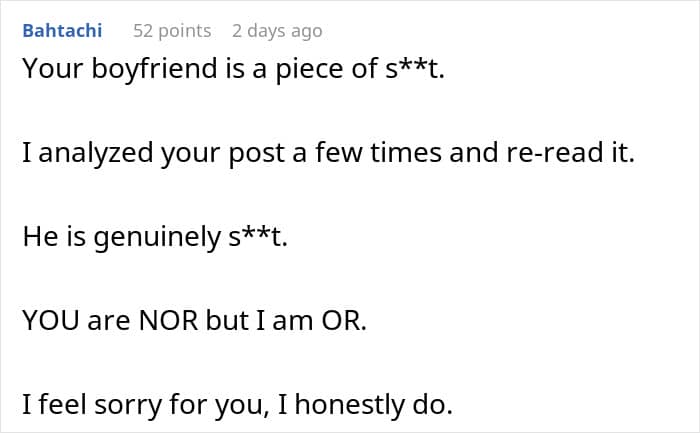
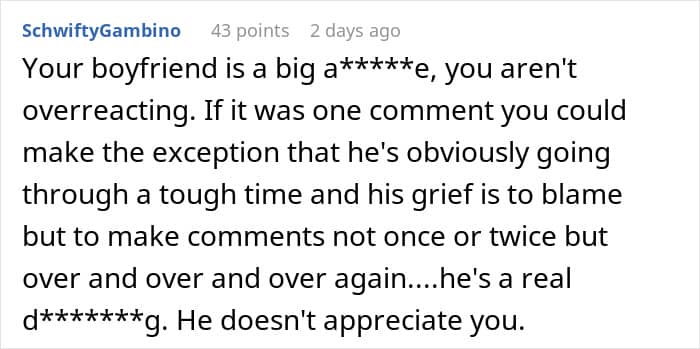
Most people who read the story said the woman was not overreacting (NOR) and thought her boyfriend’s behavior was unacceptable
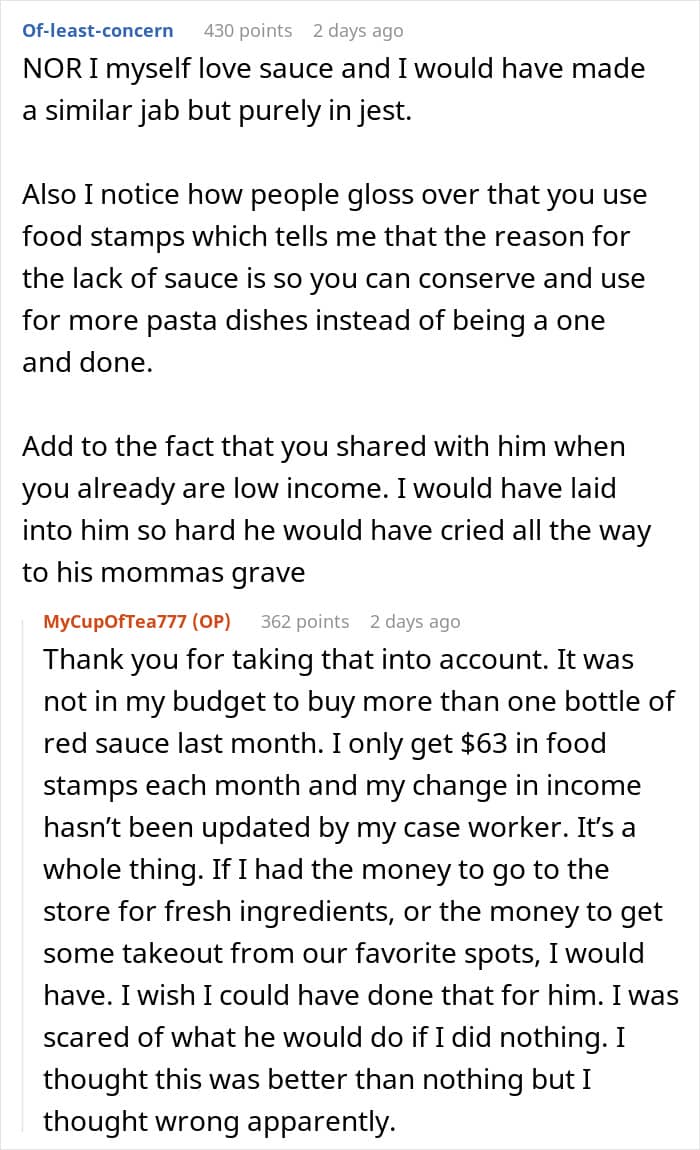
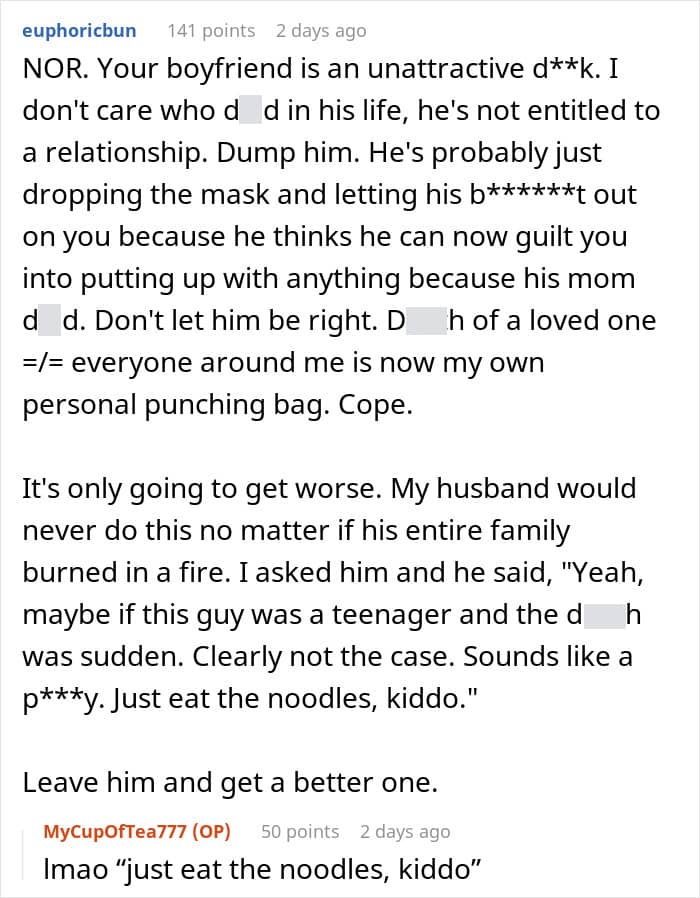






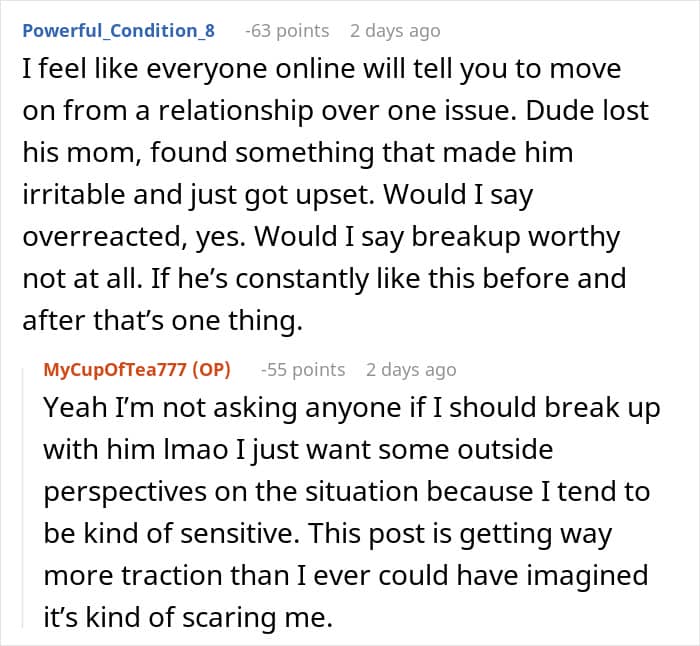
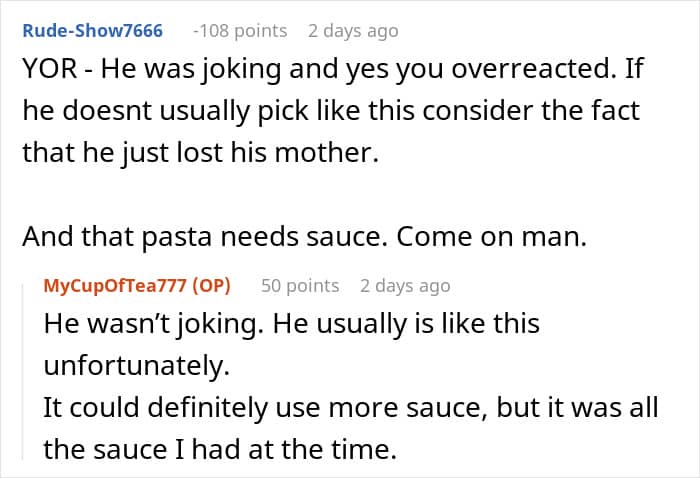









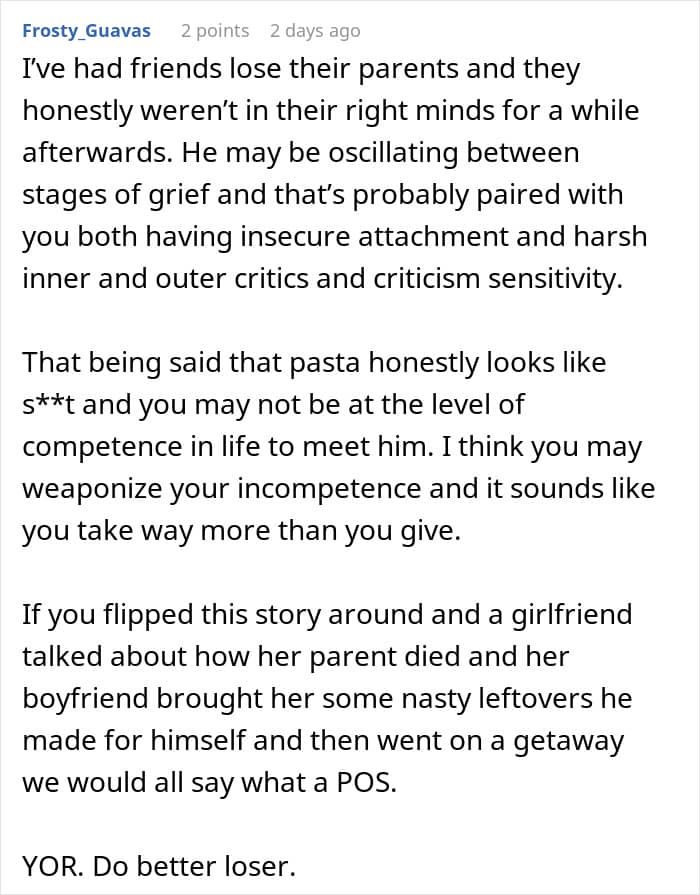
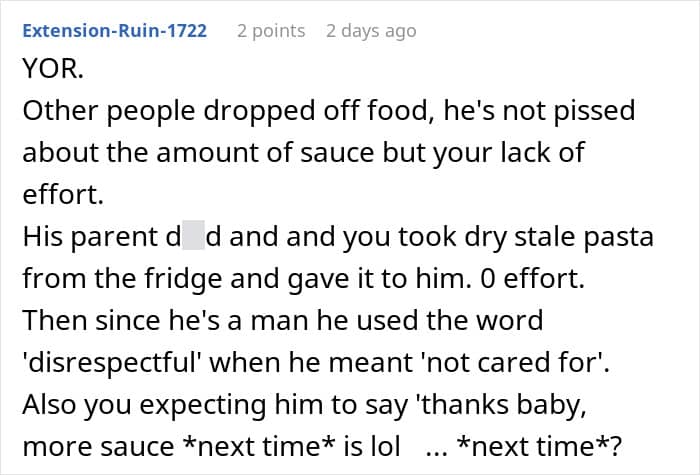
But a few blamed her for being too sensitie