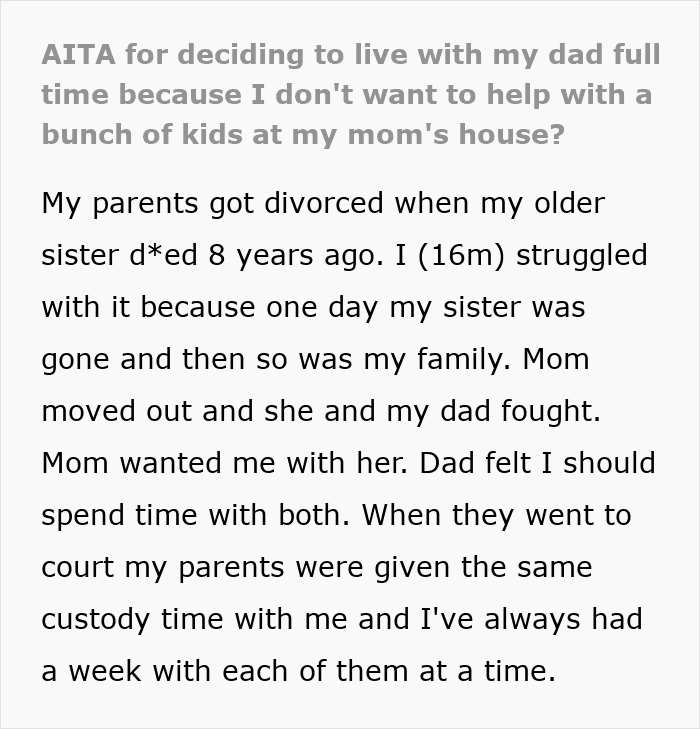
It’s one thing for a parent to ask their teen to help out with a younger sibling now and again. But when a mom expects their 16-year-old to be a full-time babysitter to her second husband’s 2 kids, his ex’s 3 kids and the teen’s 2 half-siblings (yes, that’s 7 children!), things have reached a whole new level. A netball team-size level.
A 16-year-old says he had enough of being a parent to “a bunch of kids” at his mom’s house, so he moved out and moved in with his dad instead. His mother thinks he’s selfish and cannot understand why he refuses to play happy family with her blended clan. She’s also angry that her son refuses to call her second husband “dad.” Now, the teen feels guilty…
RELATED:He was devastated when his sister passed away, and his parents later got divorced

Instead of giving him space to heal, his mother expects him to jump straight into her new blended family and help raise 7 kids







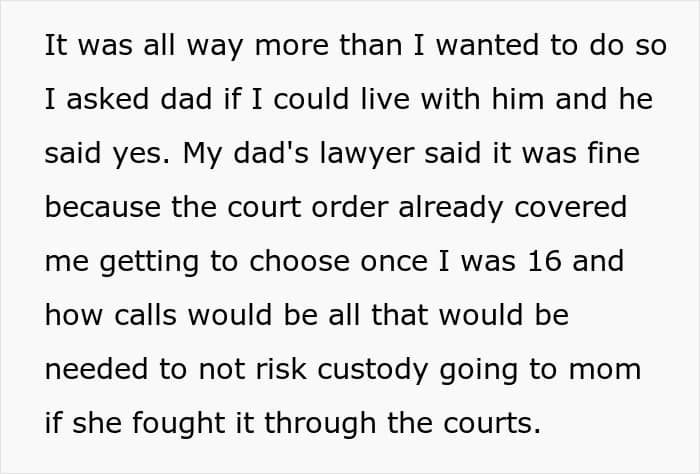
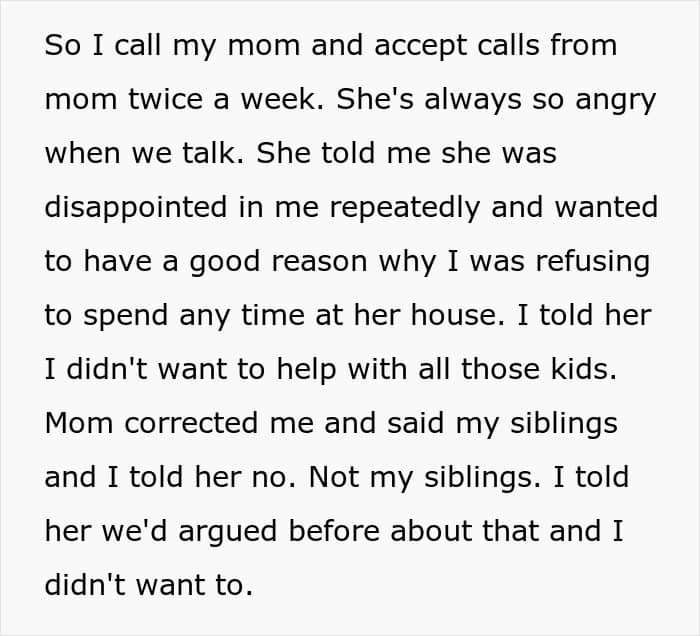

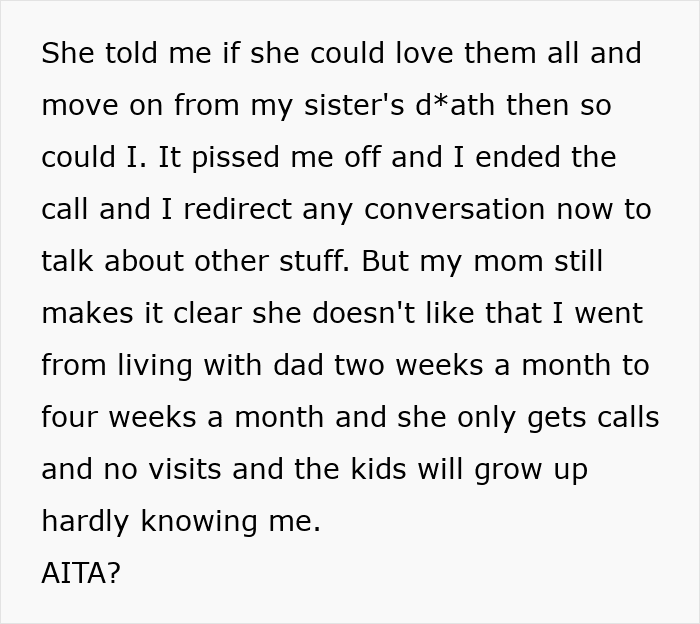
He later revealed a bit more about his past and his future plans


Can a child choose which parent to live with after a divorce? Here’s what the law says…
Some parents believe that their children can legally choose who they live with after a divorce, but experts say this is not the case.
According to the Custody X Change site, Georgia is actually the only U.S. state that allows a child to decide who takes physical custody of them. And even then, that child must be 14 years or older, and their choice must be approved by a judge.
While all states allow judges to consider the preference of a (mature) child in a custody case, 13 don’t require judges to take a mature child’s opinion into account. “Mature” varies from state to state, but generally, 14 years old is the most common.
California, New Mexico, West Virginia, Indiana, and Utah are among the states that consider children 14 and older sufficiently mature, while Mississippi, Oklahoma, Tennessee, and Texas set the age at 12. In Georgia, children as young as 11 can share their thoughts with the court, and when they reach 14, they’re allowed to choose which parent to live with. That decision can be overruled by a judge in certain circumstances.
“If you go to court over custody, you need to understand your state’s approach to many topics, including a child’s right to share their opinion,” said Ben Coltrin, Custody X Change co-founder and president. “There’s debate over what’s more important: letting a child have a say or shielding them from parental disputes. How your state and judge view the issue will affect your case.”
It’s important to note that many judges will scrutinize a child’s reason for wanting to live with a certain parent.
“For example, if a child expresses enthusiasm about playing video games with one parent, a judge may give that very limited consideration,” explains the Cosner Law Group team. “However, if they express concerns because of an unhealthy dynamic with that parent, those concerns can carry more weight.”
Judges are meant to make their decision based on the best interests of the child.
The Custody X Change site also warns that if parents decide to go to court over custody arrangements and a judge makes a decision, the child must comply. “This means your son or daughter cannot refuse to see a parent who has been awarded custody or visitation time,” explain the experts.
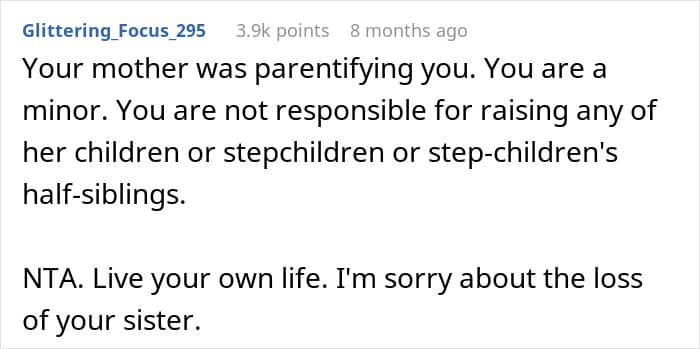
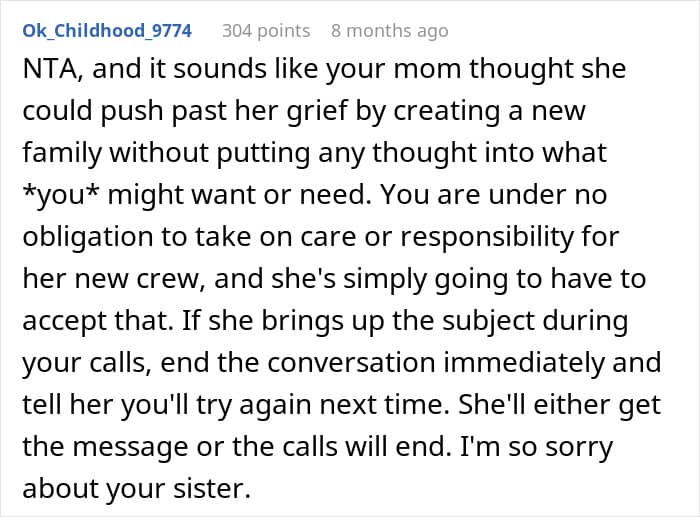
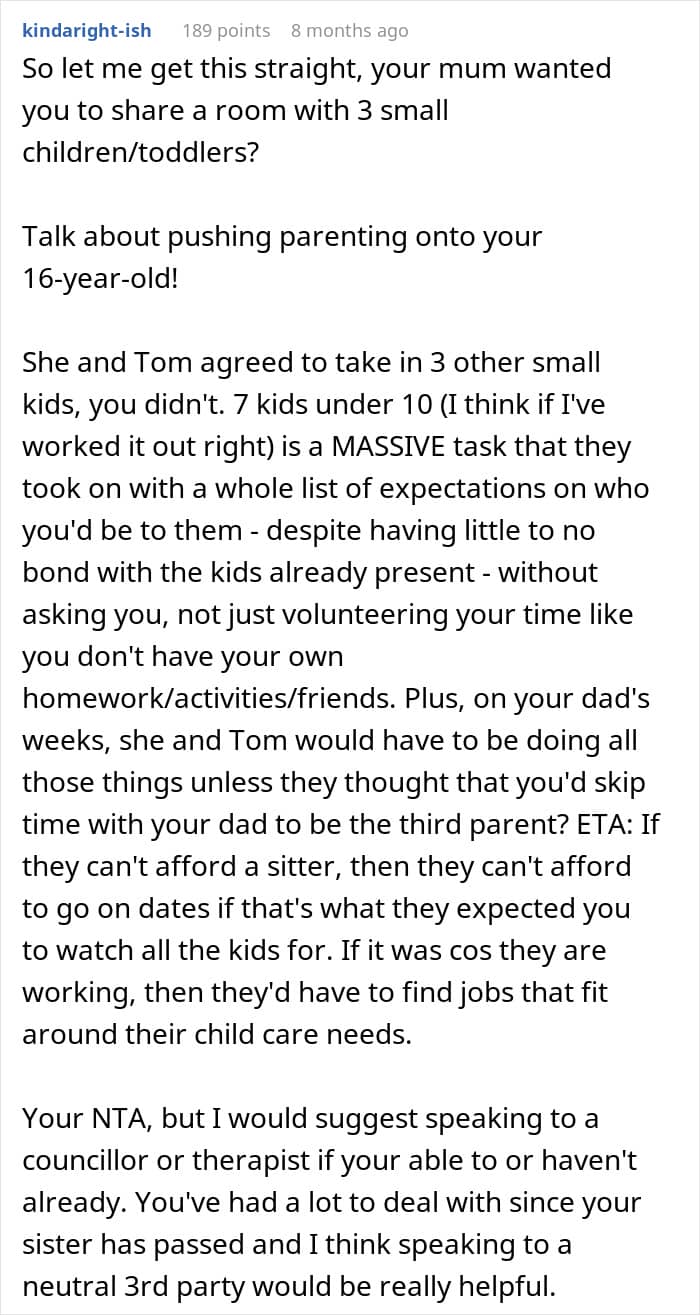
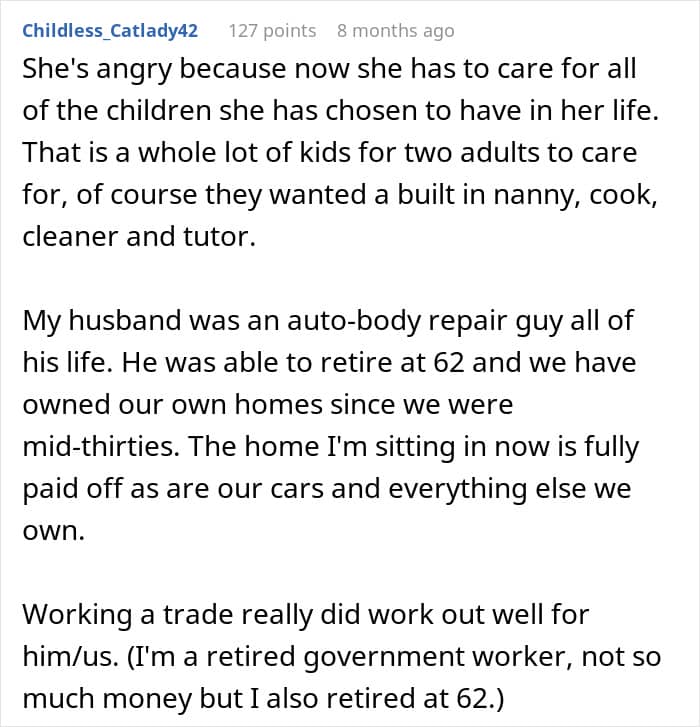
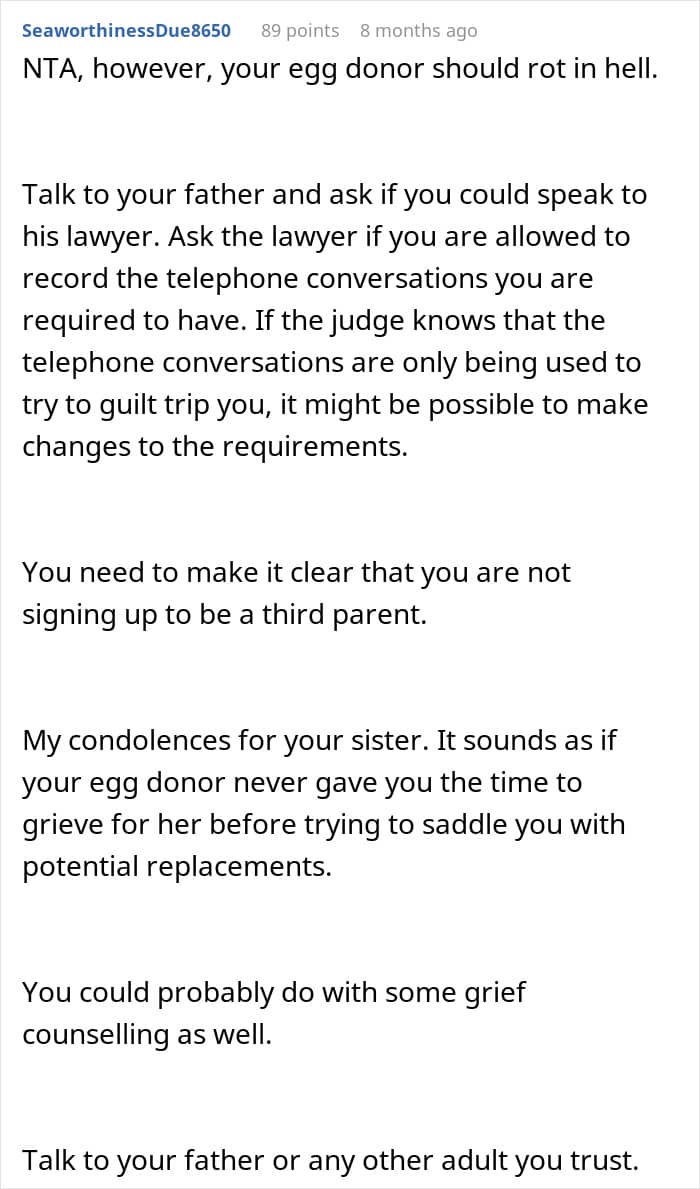
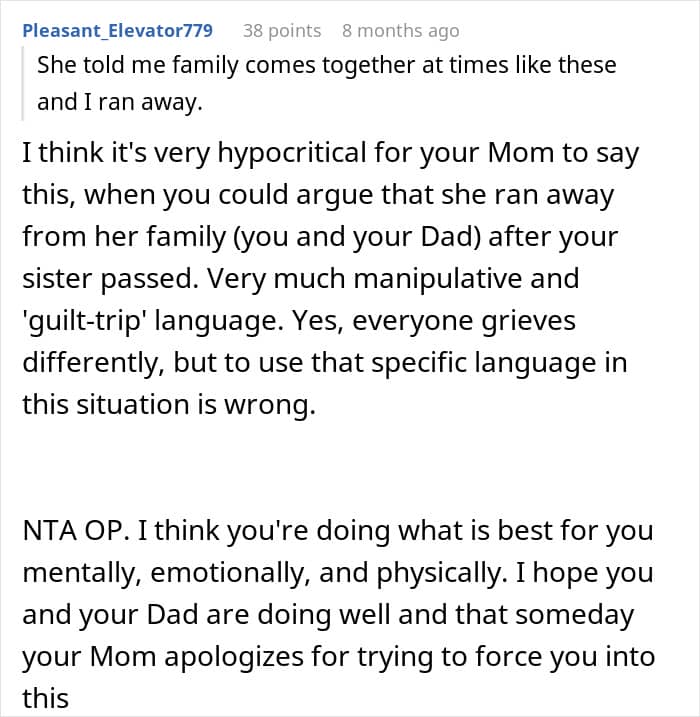
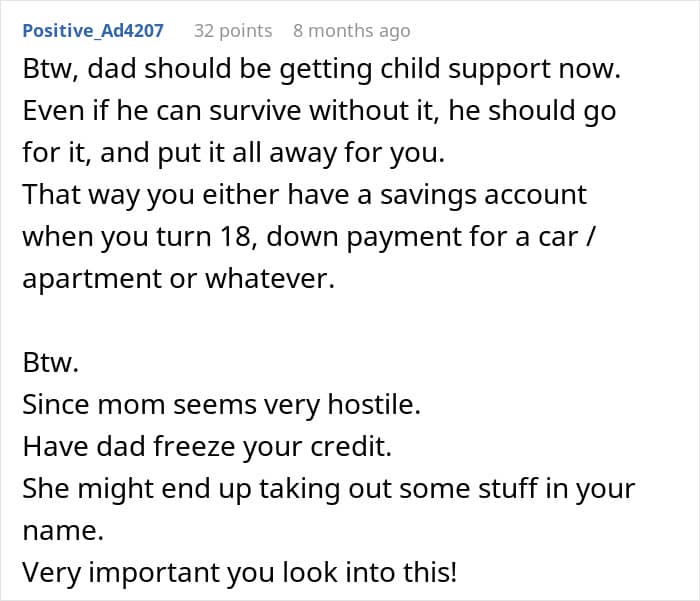
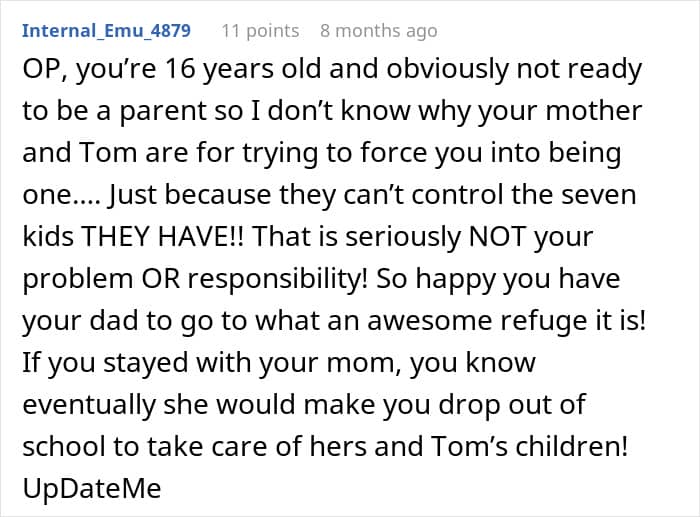
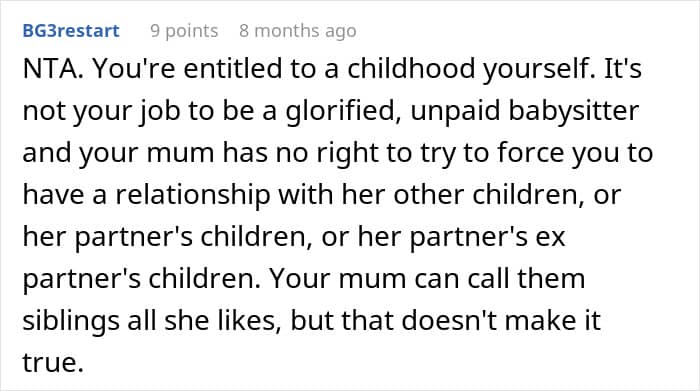
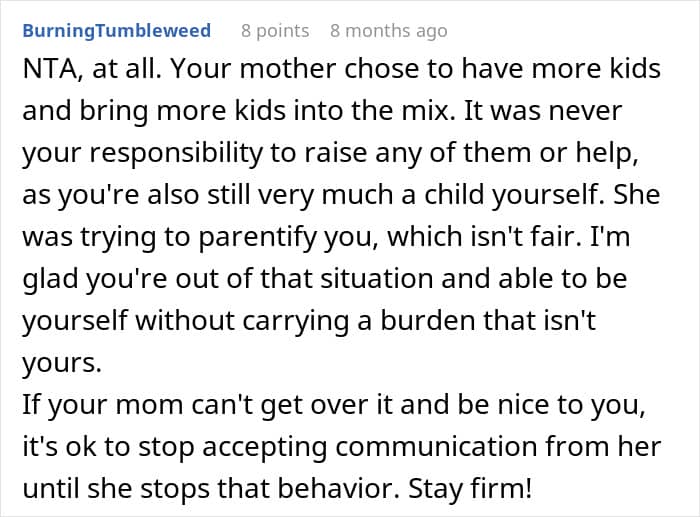
“She wanted a 3rd parent”: many felt sorry for the teen and gave some advice